Interview with Willow Teacher: Yayoi Kobayashi
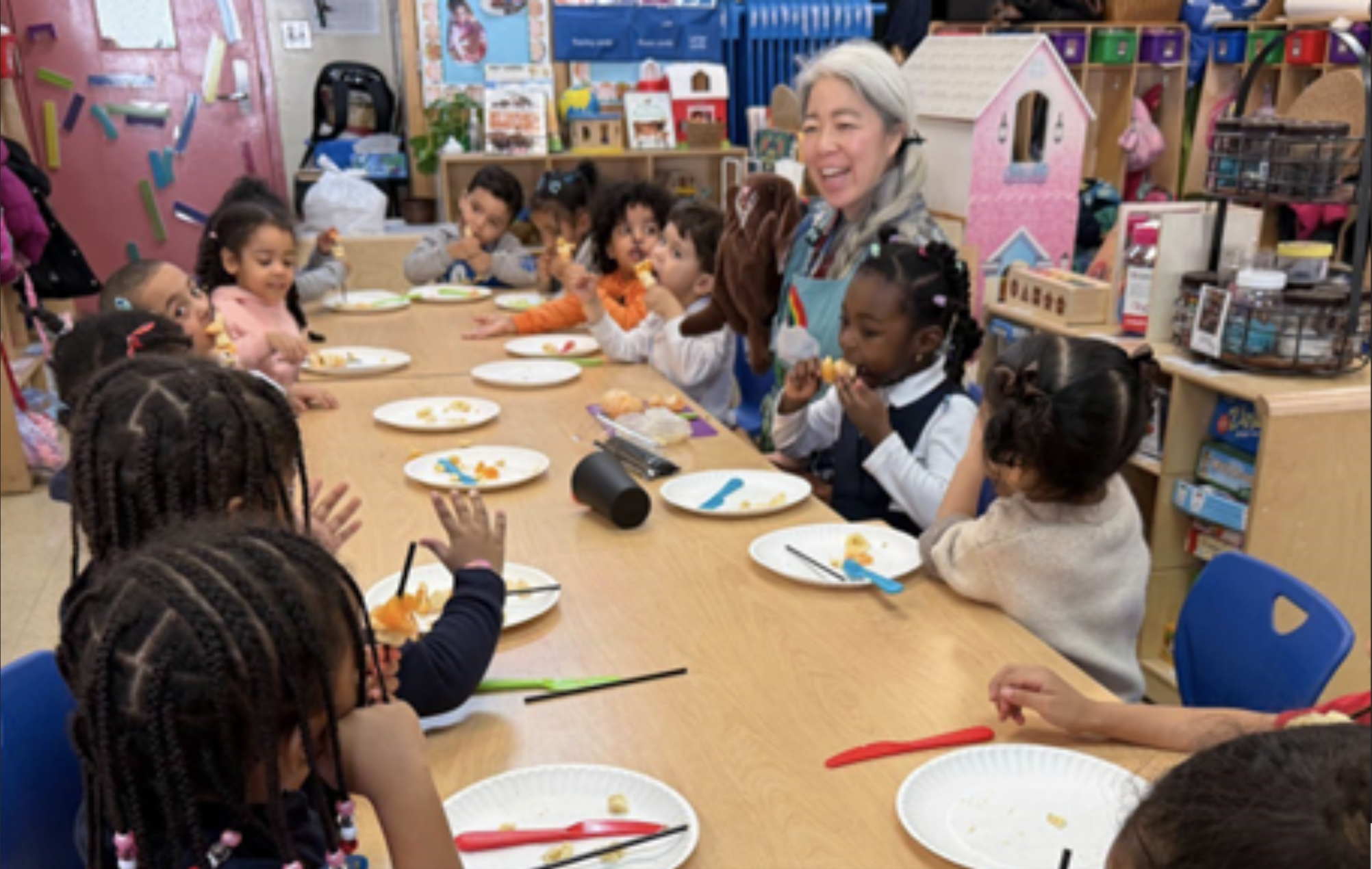
 We sat down with Yayoi Kobayashi from PS 226 to discuss the powerful impact of the Nibble with Willow program on her young learners. Read what she had to say.
As a veteran early childhood education teacher, what would you say are the 3 most valuable impacts or benefits from children participating in Nibble with Willow ?
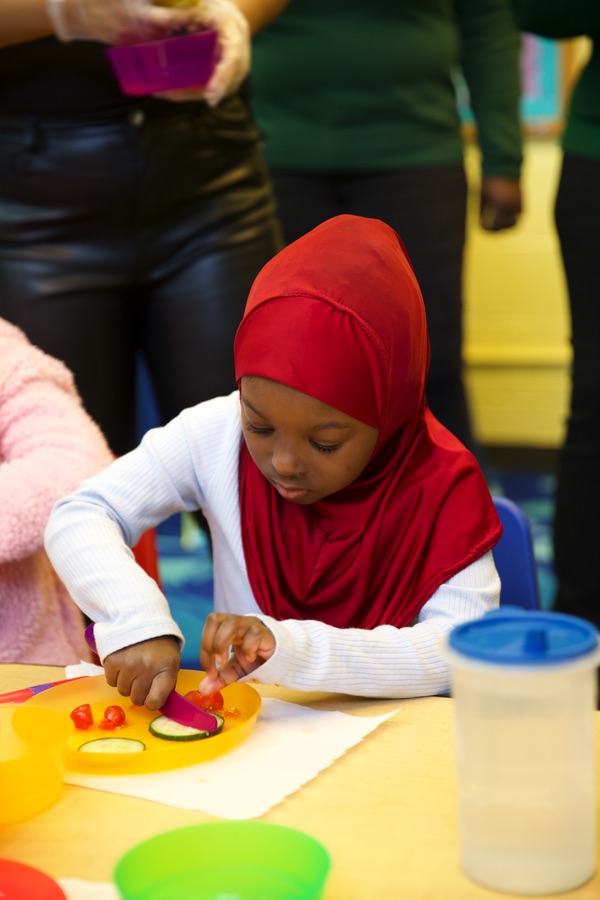
YK: First of all, I love the holistic developmental perspectives of Nibble with Willow. The children are practicing their executive functioning skills by speaking out loud (metacognition) recipes and steps with a facilitator/willow, and language development is embedded in each lesson. Not only reciting poems, story, or nursery rhymes, we also practice using descriptive words and building vocabulary. Most of my students speak more than one language and often English as a second/third language, so it’s wonderful to see and hear them speak and also teach us in their language how to describe how the food tastes or textures.
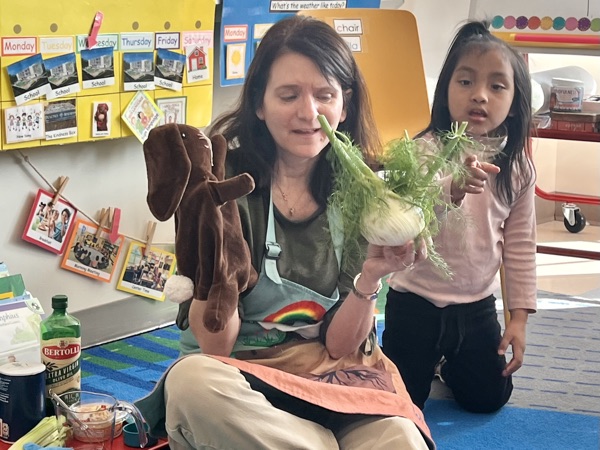
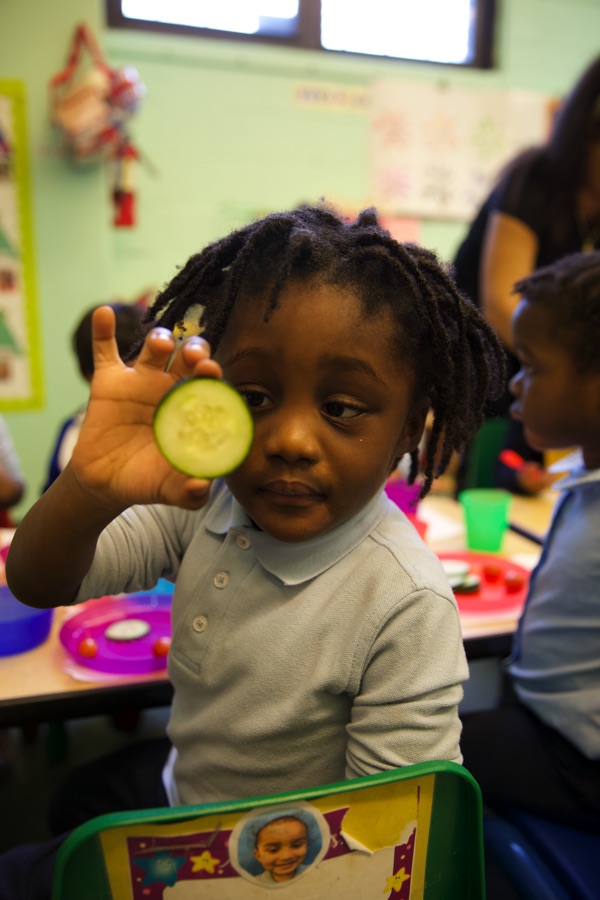
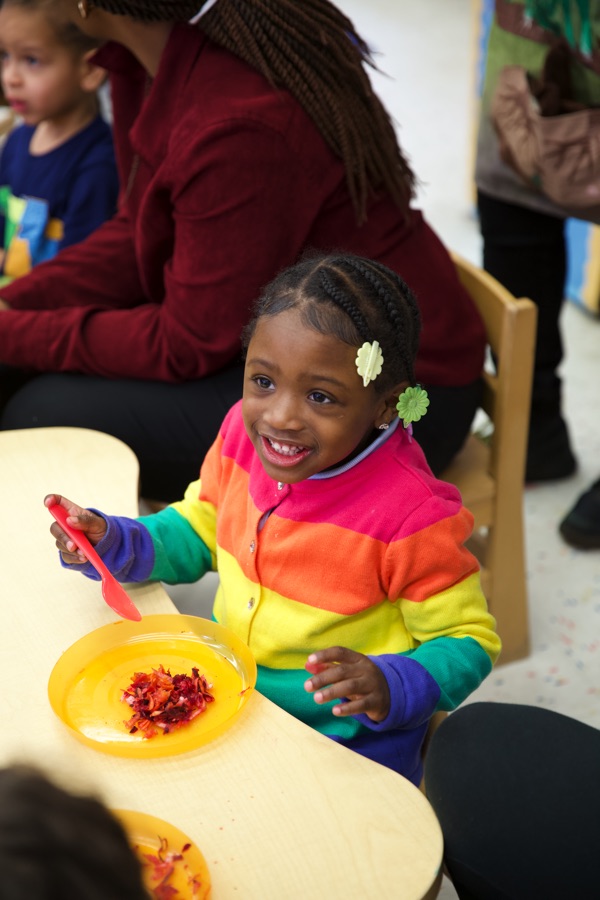
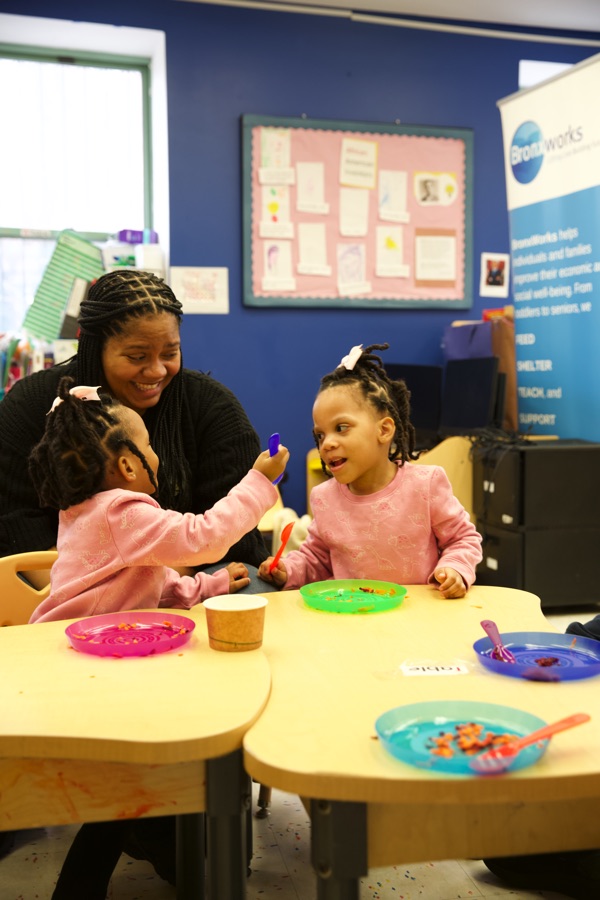
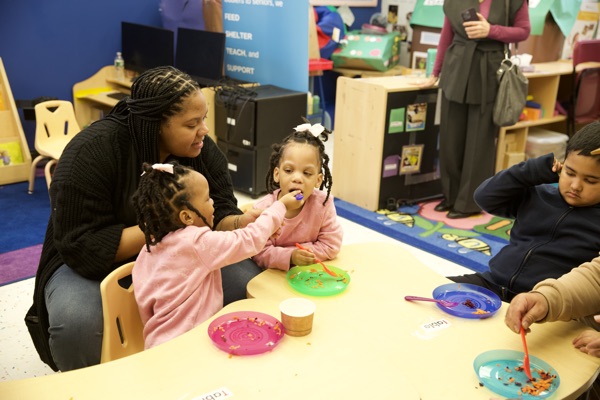
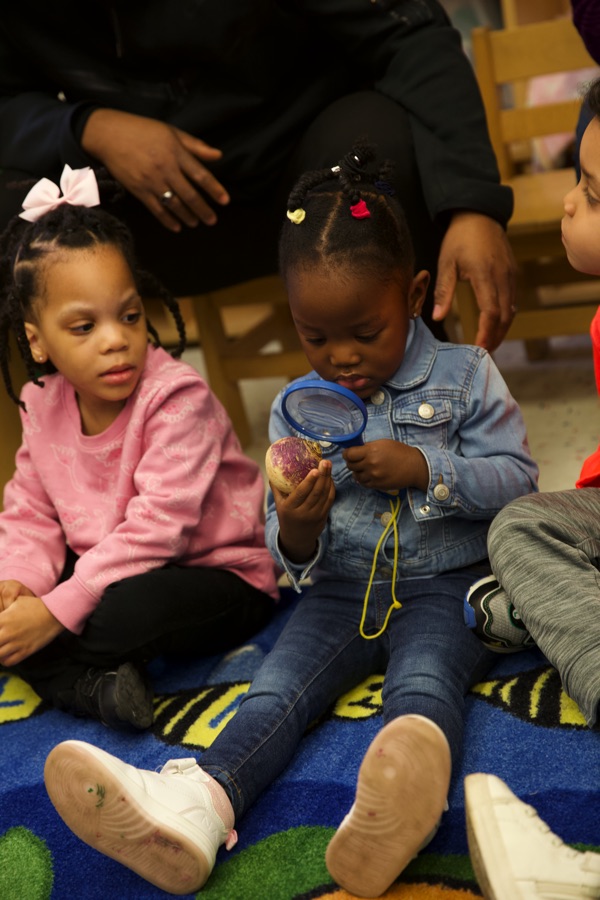
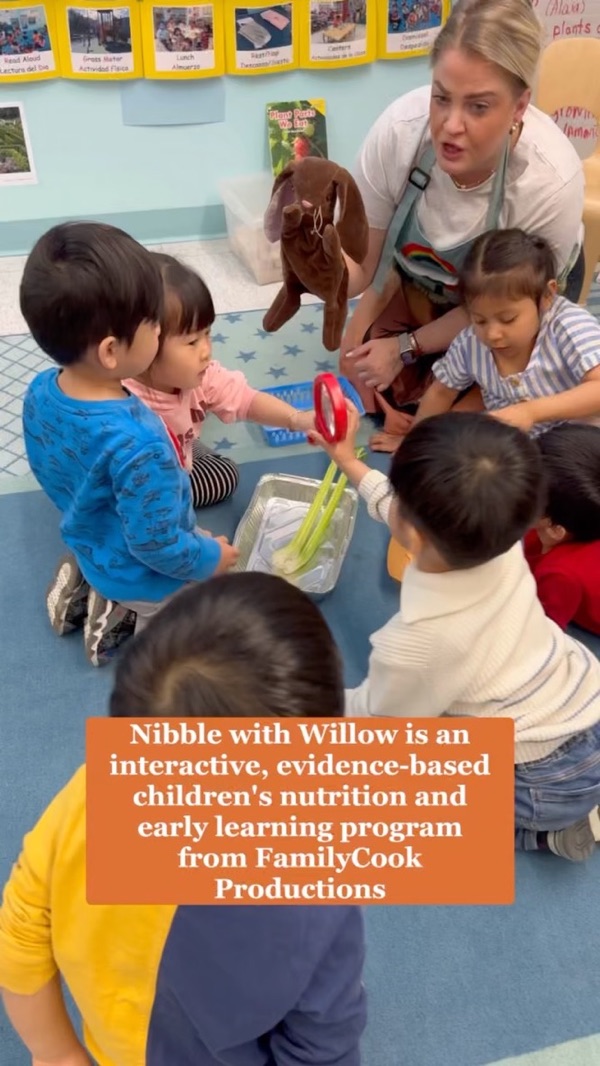
Second of all, I love multi-sensory exploration. As my background being a Montessori teacher, I value sensory experiences so much, especially at a young age. The children also use magnifying glasses which give opportunities to become scientists, and we often guess what the color inside the fruits/vegetables will be and guess what they taste like etc. to expand our scientific knowledge together. The children often also try when their friends are trying new food, simply just having them on a plate increases the chance of trying new food.
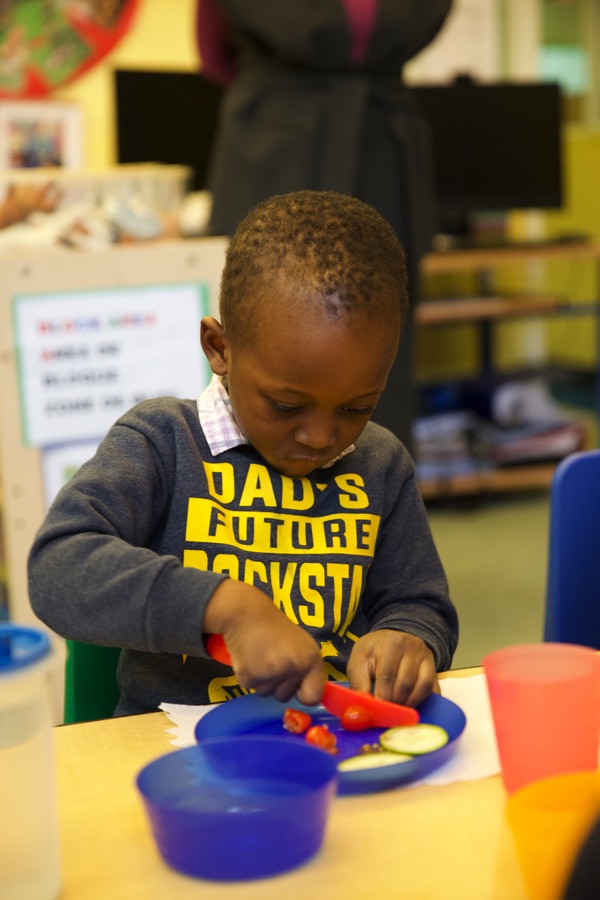
Lastly, Nibble with Willow gives children a sense of pride and through repetition and modifications, they develop confidence and independence on cooking skills and healthy choices. I hope to see these skills and feelings continue after they leave my class.
What do you think it is about Willow, the character, that helps children engage with the problem or topic being explored and benefit from that interaction?
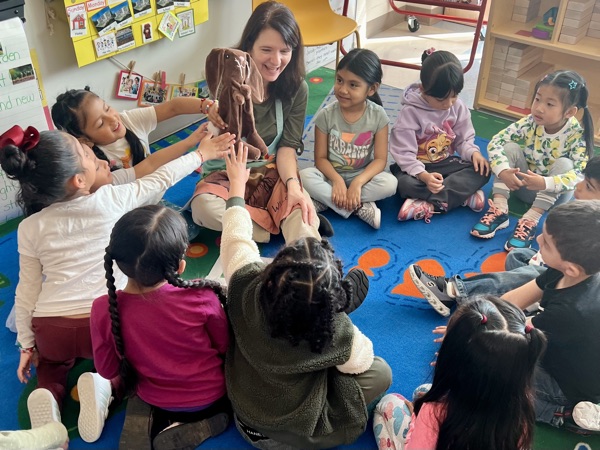
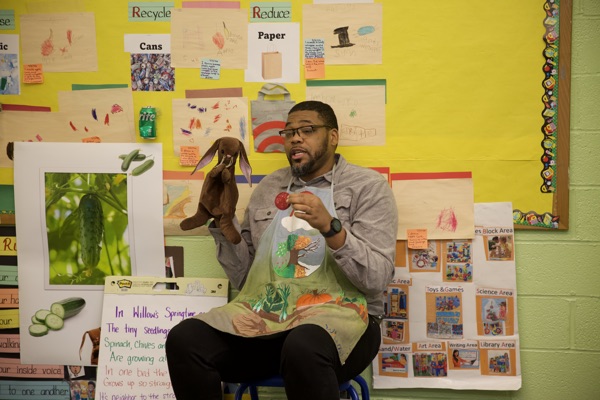
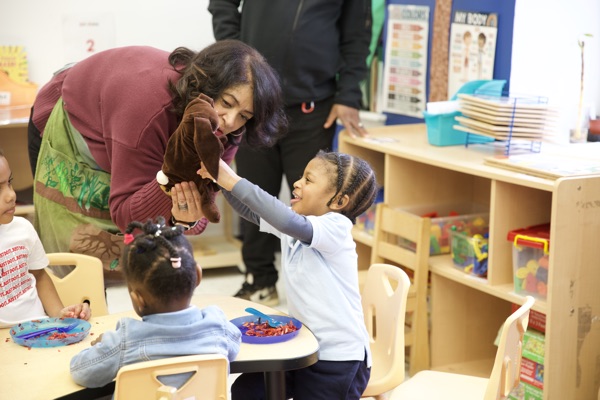
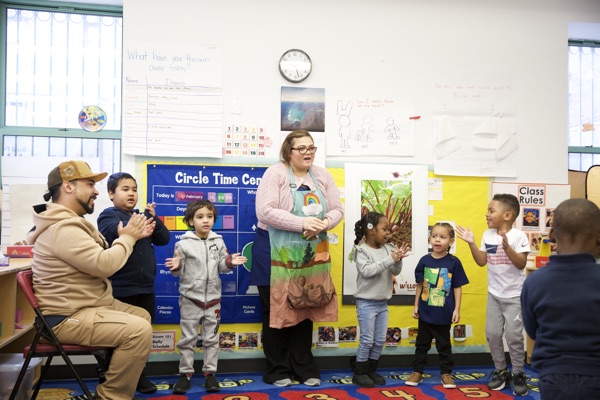
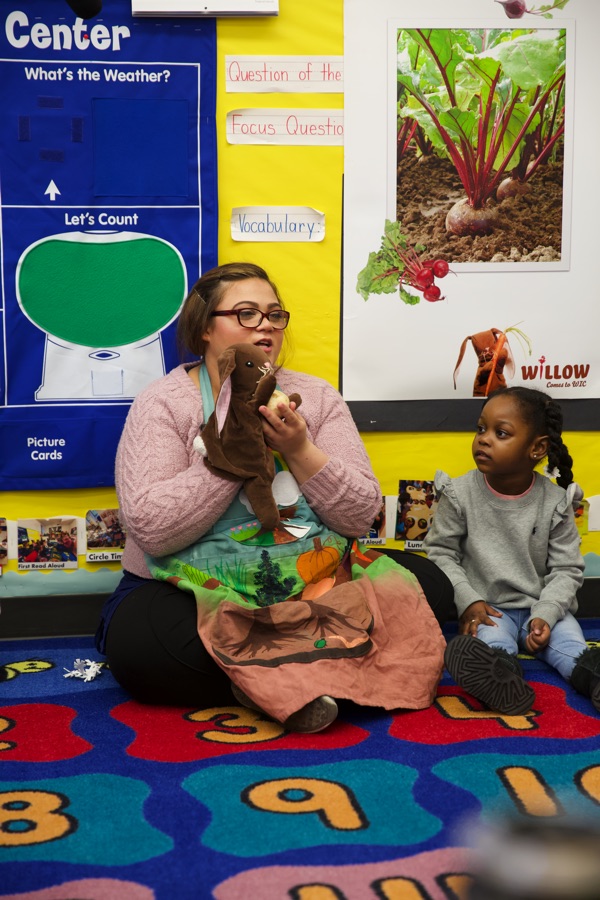
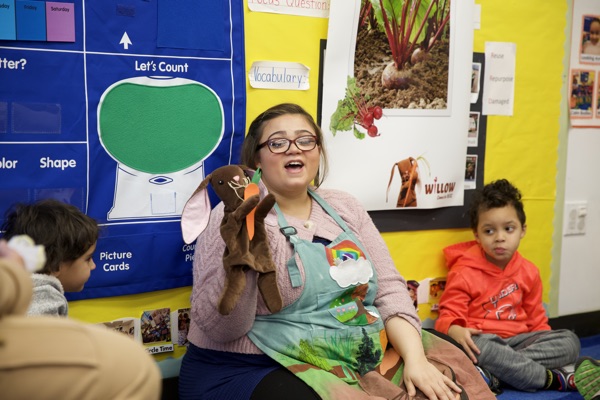
The children LOVE Willow. Even though many of them know that Willow is a puppet, they all are so excited to meet her. They all want to hug her when she comes out from her burrow (pocket). Because the children care about Willow as a friend, they are emotionally invested and they want to care about what Willow brings and that’s also a part of the children willing to try new food. I also love the way we can be playful and be a model of resilience and rehearse real life challenges. For example, I can say, “Hmmmm smells interesting, I wonder what — taste like?” In this way we are modeling to be more curious rather than giving up because of the unknown.
Can you describe some of the ways you’ve observed that Nibble With Willow supports children across the early childhood learning domains (e.g. language development, social and emotional learning, gross motor skills, executive functioning, and any others)?
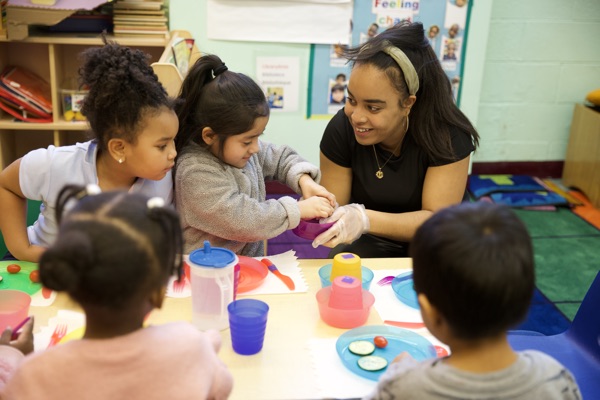
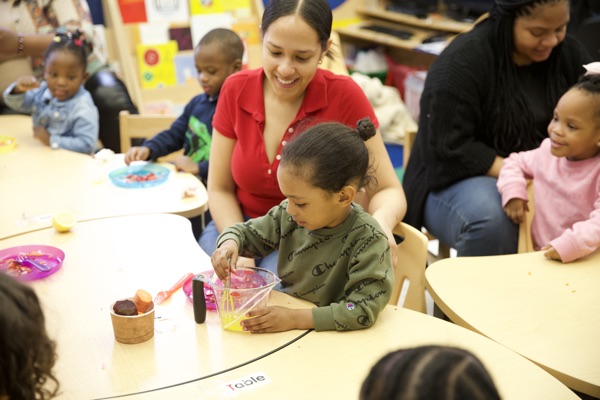
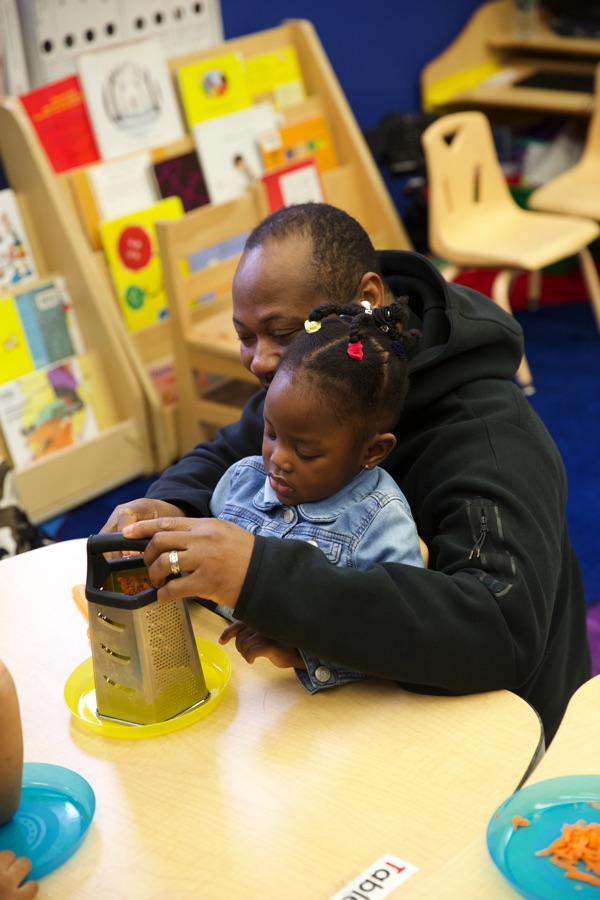
There is whole child development through Nibble with Willow. Language and literacy development is expressed throughout the curriculum, the children learning words like earthy, fibrous which we may not hear much in a 3-4 year olds’ lives daily. SEL is a big part of Nibble with Willow. Social cooperation where we are sharing ingredients to wash hands, preparing food together as a communal act. We practice executive functioning and regulate our behaviors, scientific inquiry and mathematical learning by looking at shapes, sizes, and more!
In what ways have you observed Willow encourages conversations with or attitudes among children around healthy eating?
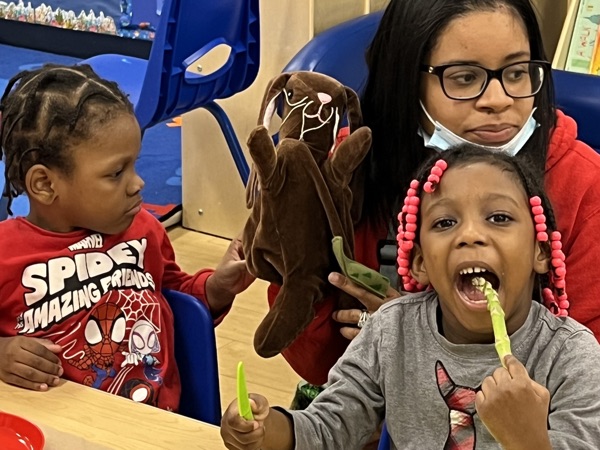
I think the most significant take away of Willow is her modeling of positive and brave eating behaviors towards food, which encourages children to have a positive view of food. Even if only a little bite is taken, it increases the chance to try something new. Also, giving them some knowledge to try seasonal food and unknown foods. Food is very personal and I like that the children are exposed to new vegetables and fruits and we can also talk about what they generally eat and honor their cultural heritage.
Have you noticed any shifts in children’s acceptance of the foods shared in Nibble with Willow or their acceptance in general of fruits/vegetables children are served in meals and snacks?
I think the attitude of willing to try is a wonderful effect of Nibble with Willow. Our children are so young and eating lunch which is prepared by the kitchen at school is all new to them. However, definitely experiencing Nibble with Willow helps them to try something new and together as a class, it is also a part of social modeling. My next step is encouraging the parents to pack healthy choice snacks. Snacks can be fruits and vegetables.
What have you heard from parents about impacts at home? How are you engaging parents?
The children notice some fruits or vegetables that they consume at home and are able to verbalize what it is or how it tastes like or their preference. We have invited the families to join our lesson; however, only one parent has been able to join us so far. She was very happy to see what Nibble with Willow offers in our classroom. We also communicate with parents every week by posting a “story” with photos on our class communication tool (class dojo) which all the families are excited and happy about.