Our health care system depends on you staying sick. Better food could change that.
by Jaclyn Albin and Lynn Fredericks
This article was originally published in The Hill and is reposted here with permission.

Momentum for the “food is medicine” movement has never been stronger.
Federal agencies, academic institutions, professional societies, health practitioners and simply consumers who eat are uniting around the idea that nourishing food can prevent and treat disease. This national conversation carries a spirit of hopeful collaboration seldom seen connecting nearly all sectors of society.
For those of us building and studying these programs on the ground, in hospitals, clinics, schools and community teaching kitchens, the excitement is palpable. But so is the frustration.
Despite evidence that this work gets results, the system needed to sustain this movement remains fractured, under-resourced and misaligned with its own purpose.
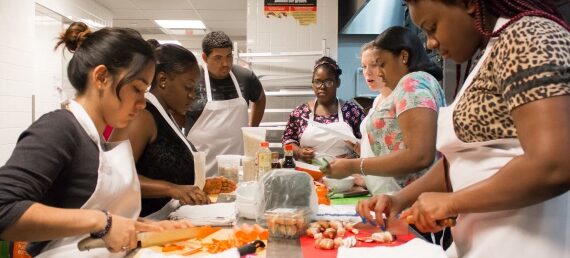
Every week, we meet patients and community members who know food is central to their health but lack the means, knowledge or support to act on it. In our implementation of hands-on nutrition education among patients with diet-related conditions, we find that over 30 percent of participants experience food insecurity, higher than reported averages.
Families determined to transform their eating patterns must confront the reality that learning to make nutritious meals without nourishing food access (or food access without paired education) cannot transform health in the long term.
The question isn’t whether food matters. It’s whether we will build a system that treats it as foundational.
Our health care system’s financial underpinnings rely on illness. Health system reimbursement structures promote prioritization of medical intervention instead of investment in prevention policies that ensure people can access and prepare nourishing food.
The result is a perverse incentive: We spend trillions treating preventable illness while starving the very programs that could minimize chronic disease and reduce costs.
Food-based medical interventions, including produce prescriptions, medically tailored groceries and teaching kitchen programs repeatedly operate as boutique “pilots” instead of reimbursable, scalable foundations of care.
The fragmentation of funding and the lack of consensus on where to begin (whether upstream with prevention or downstream with those who are gravely ill) keep innovators spinning their wheels. Programs launch, show promise and then vanish when the grant cycle ends.
We know we can do better, but sustainable impact demands coordinated vision across agencies, payers and policymakers. Nourishing food should be a top national priority at every life stage and setting.
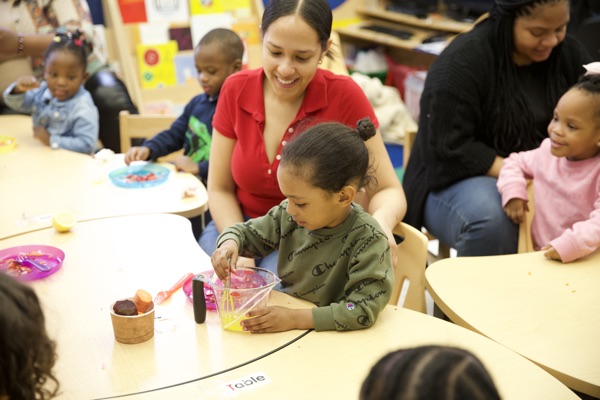
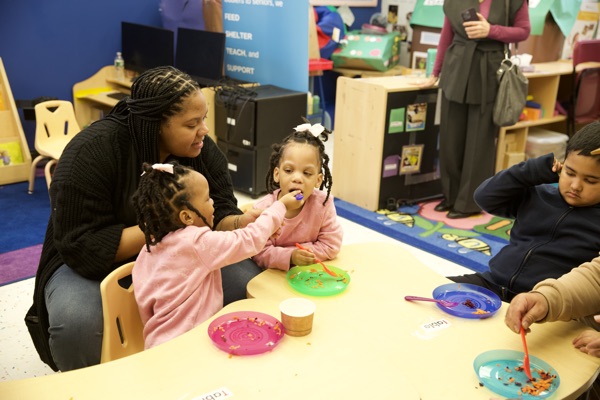
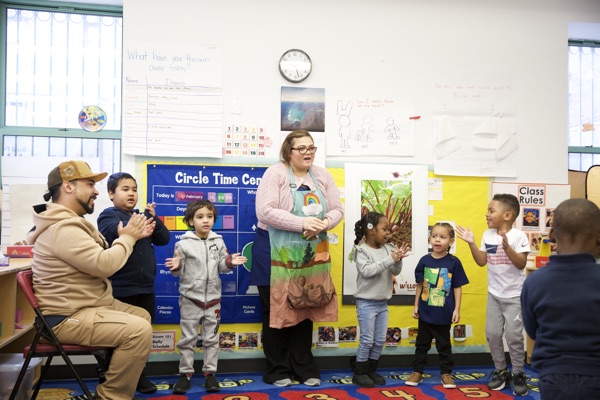
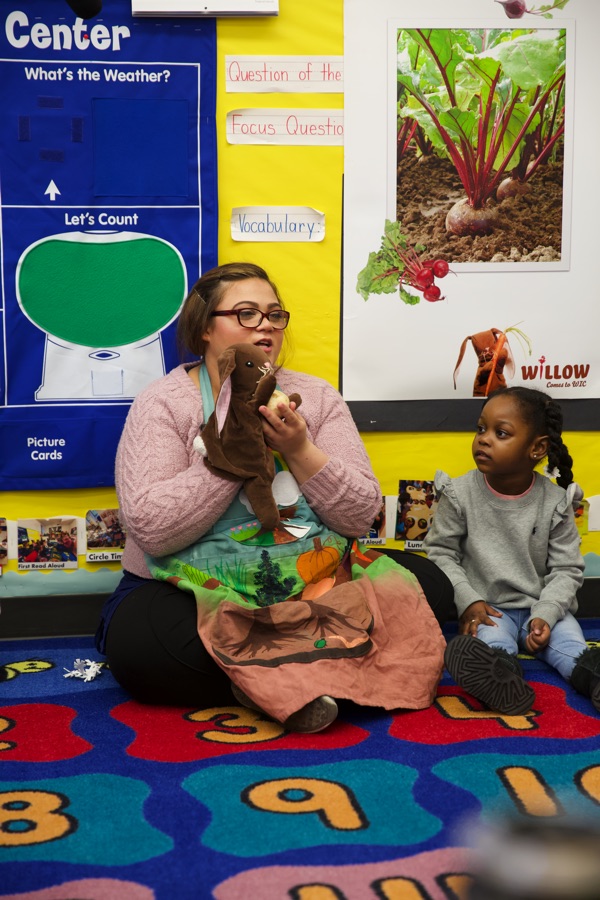
The food provided in schools and child care settings should build life-long health habits through early exposure, normalization and development of skills to prepare nourishing meals.
The food we subsidize farmers to produce should reflect dietary guidelines and advancement of regenerative agriculture — not commodity markets.
The food and nutrition education we deliver to expectant parents and patients with early metabolic risk should be as routine as mammograms. And the food served in hospitals should heal and inspire, showing patients that nourishment and deliciousness can absolutely co-exist.
Successful programs across the country have already demonstrated the power of this approach.
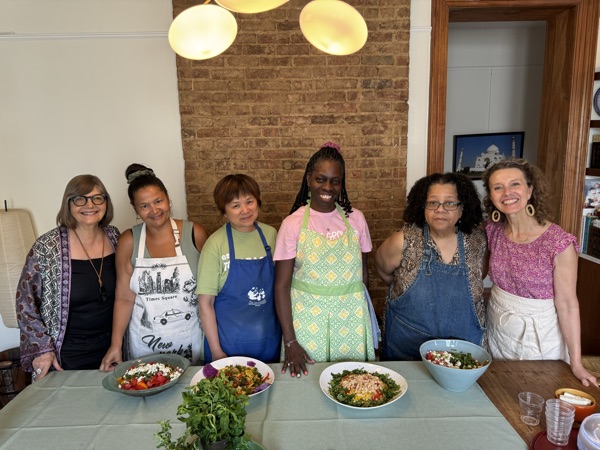
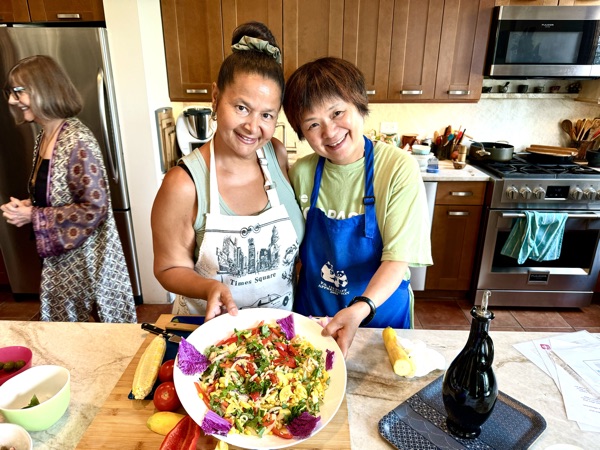
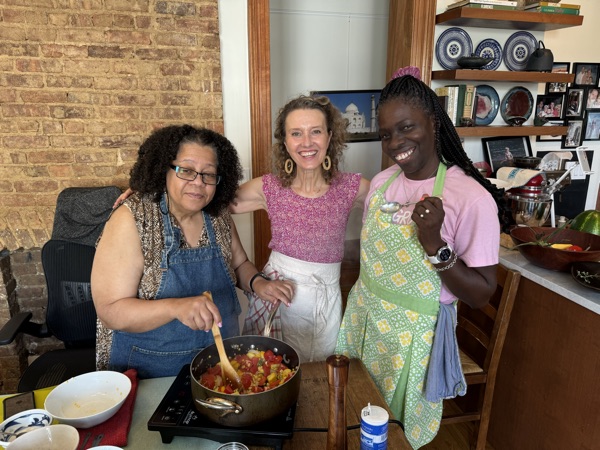
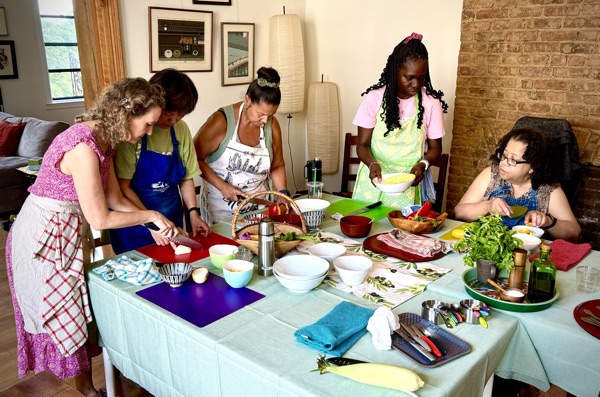
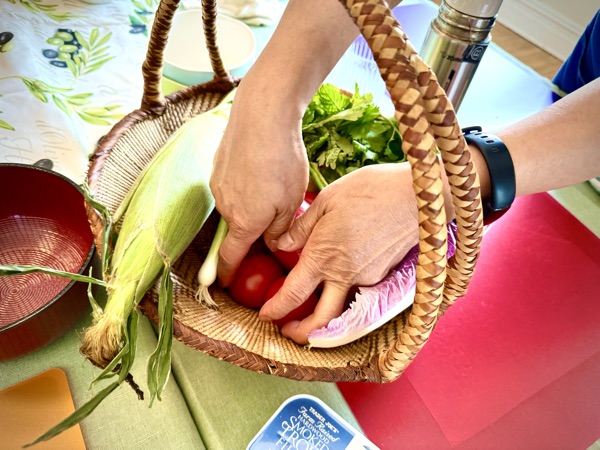
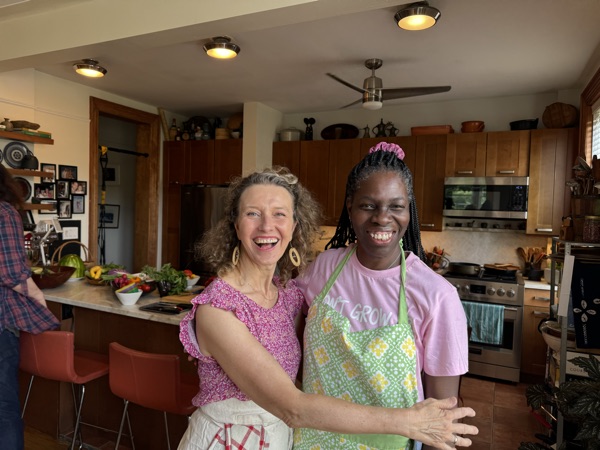
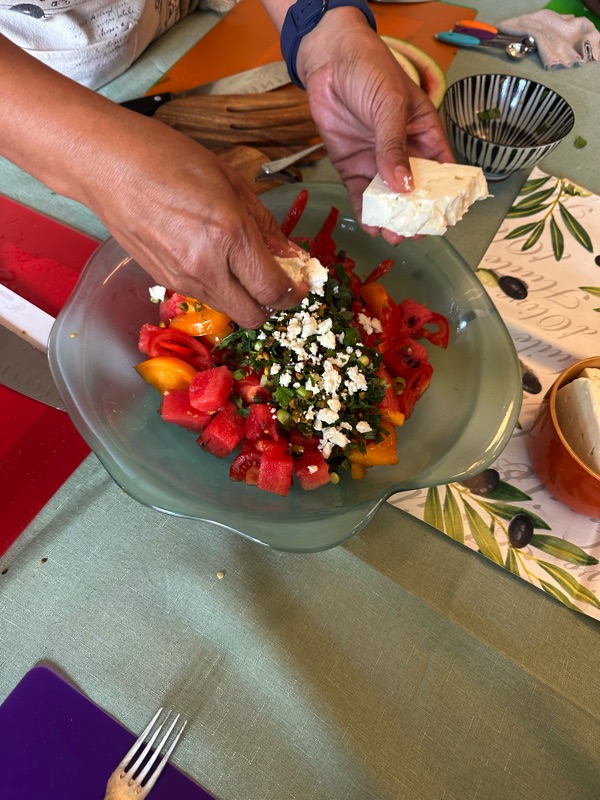
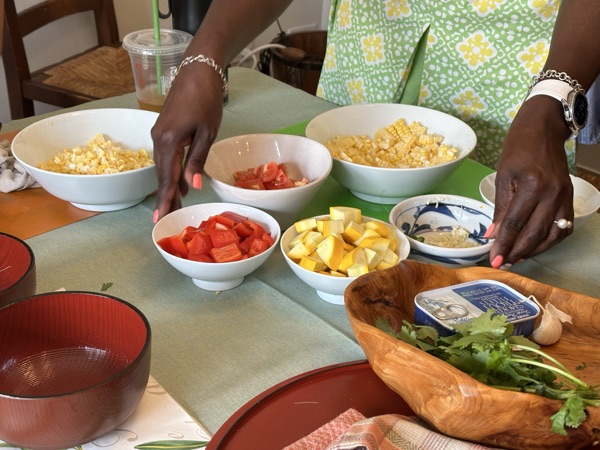
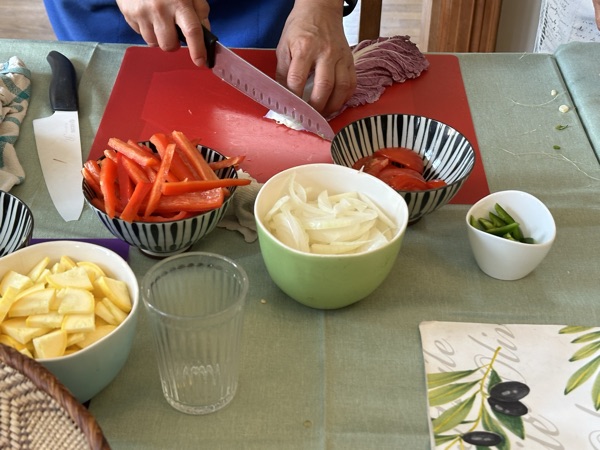
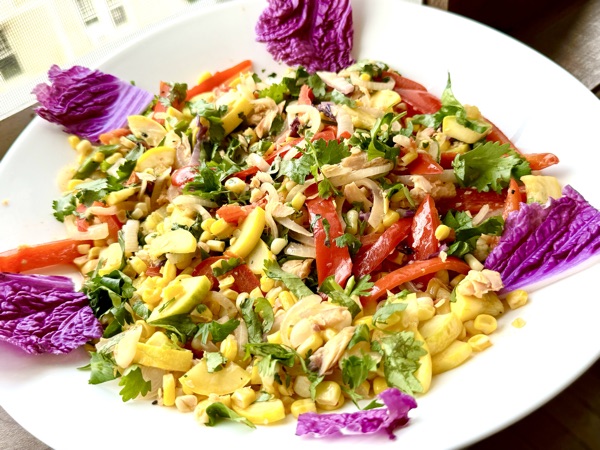
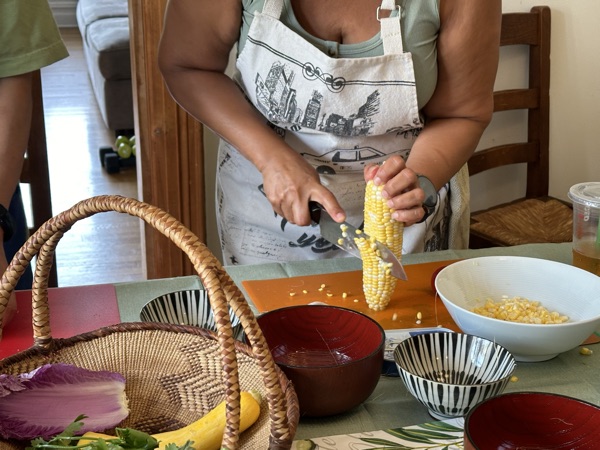
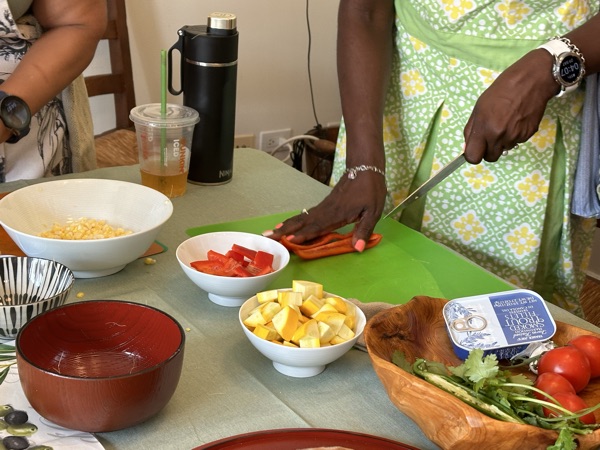
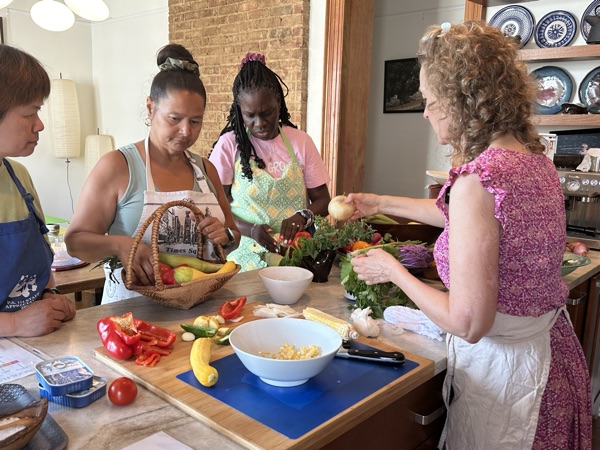
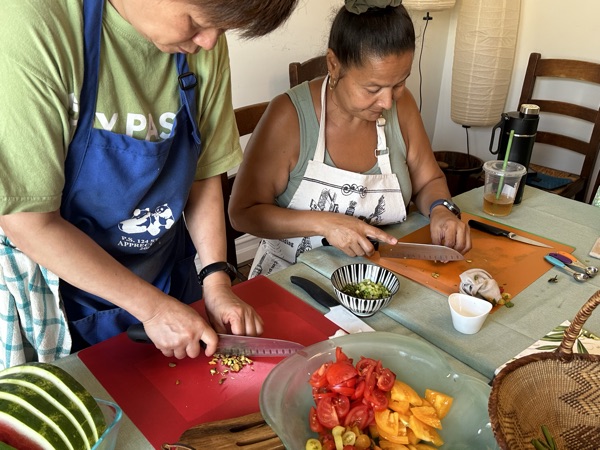
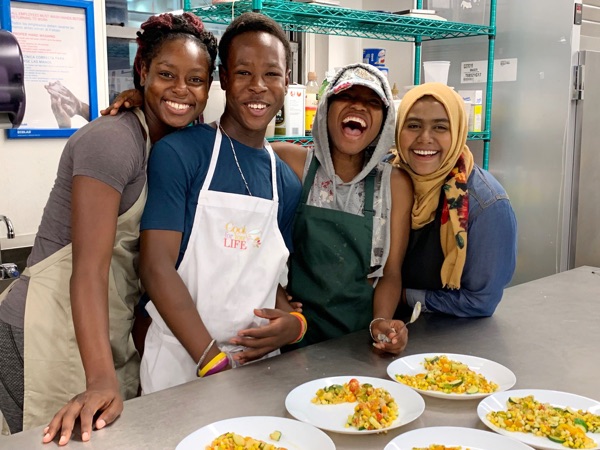
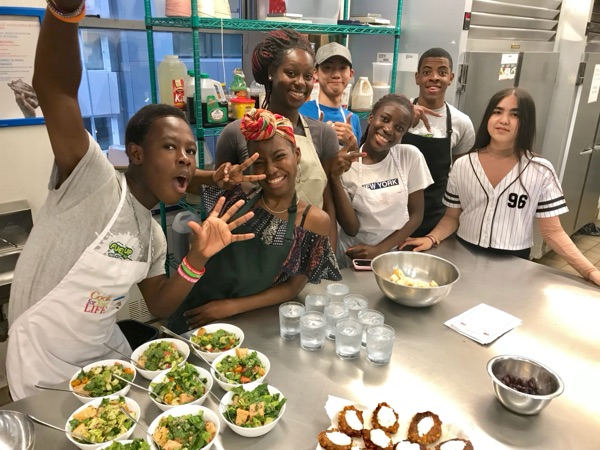
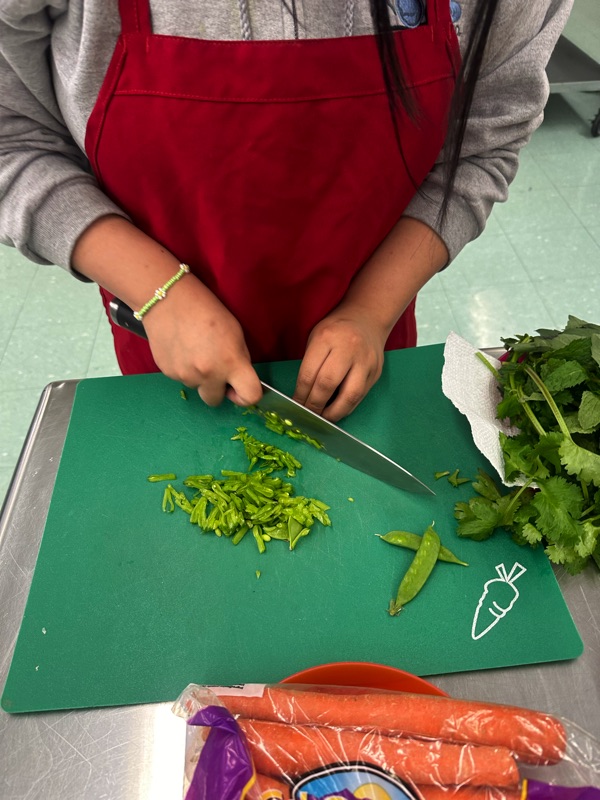
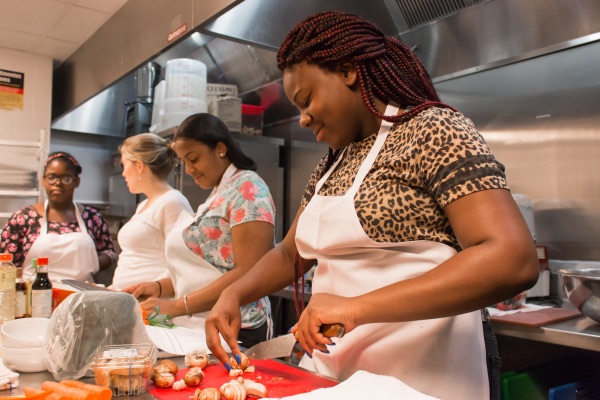
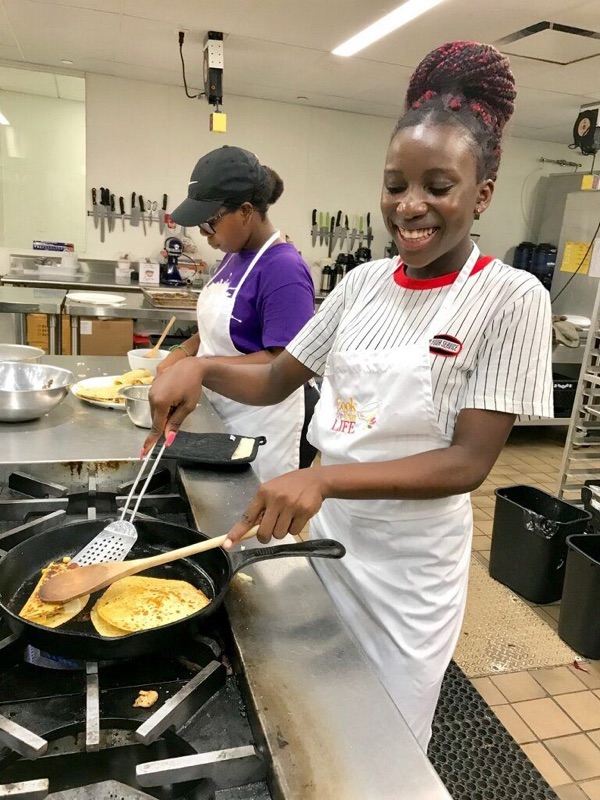
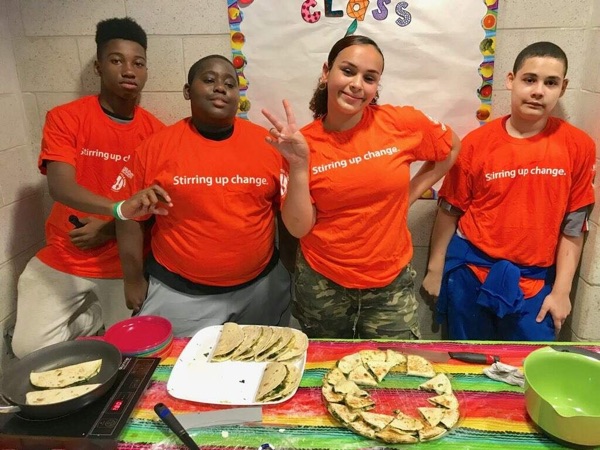
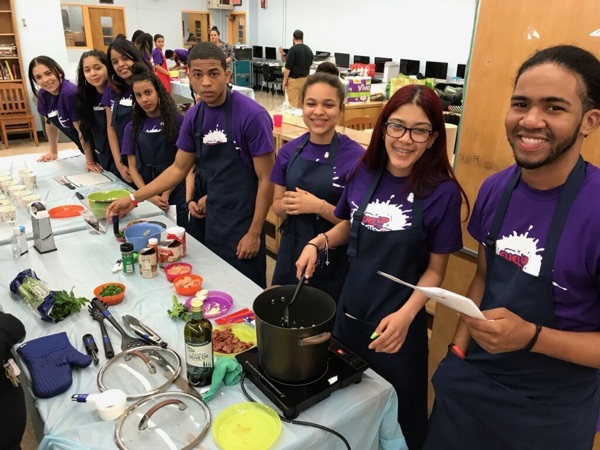
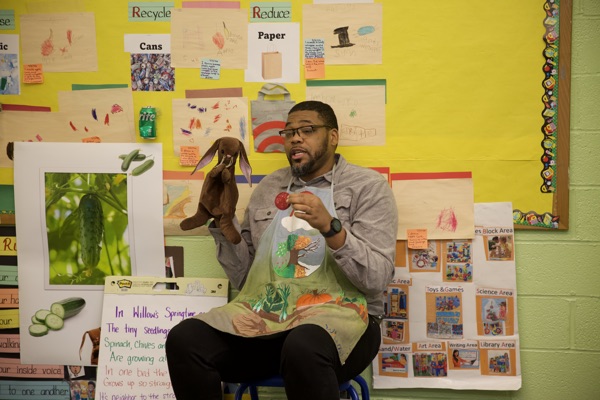
Teaching kitchens integrate culinary literacy and agency to achieve behavior change in community and health care settings. Produce prescription and medically tailored meal programs reduce hospitalizations and health care costs. Community health workers and food pharmacies connect patients to reliable resources.
Yet most remain small, short-term and isolated from policy mechanisms that could scale them.
Leadership from the Make America Healthy Again initiative provides an opportunity to build something lasting, if we act boldly. We must fund comprehensive solutions that bridge food provision with education and coaching to sustain change after the meal or food deliveries end.
We must also expand access to medical nutritional therapy so more patients newly diagnosed with metabolic risk have professional nutritional support, invest in rigorous research to define the optimal “dose” of food plus education in prevention and treatment settings, identify who benefits most and measure cost savings.
Finally, we must reorient health care incentives toward prevention by reimbursing services using food as medicine and embedding them within Medicaid and Medicare frameworks.
This requires partnership between clinicians and community organizations, agriculture and public health, payers and policymakers. No single sector can solve it alone.
Ultimately, this movement forces us to confront a deeper truth: Do we actually want to make America healthy?
If we do, then food must sit at the center of health policy, not at its periphery. It must be funded, studied and delivered with the same seriousness as pharmaceuticals. This is an intensive care unit-level problem that demands a commensurate infusion of resources.
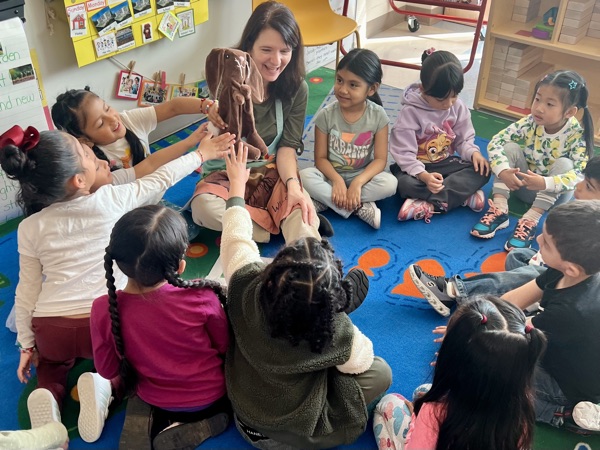
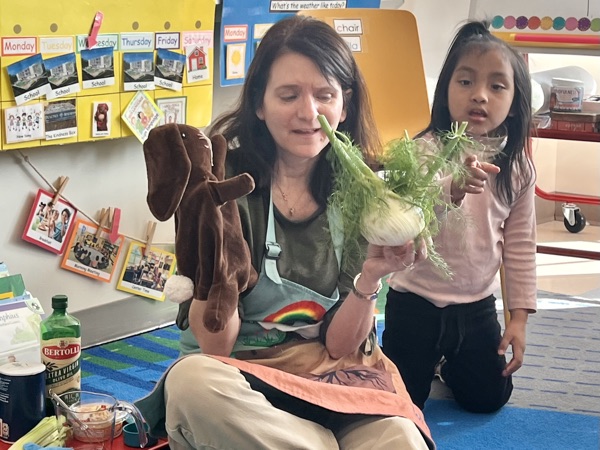
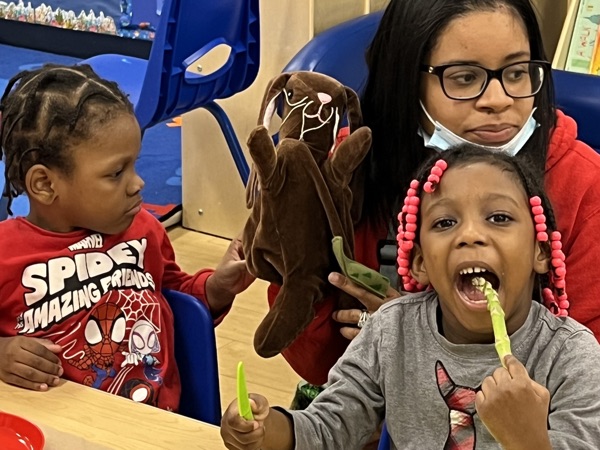
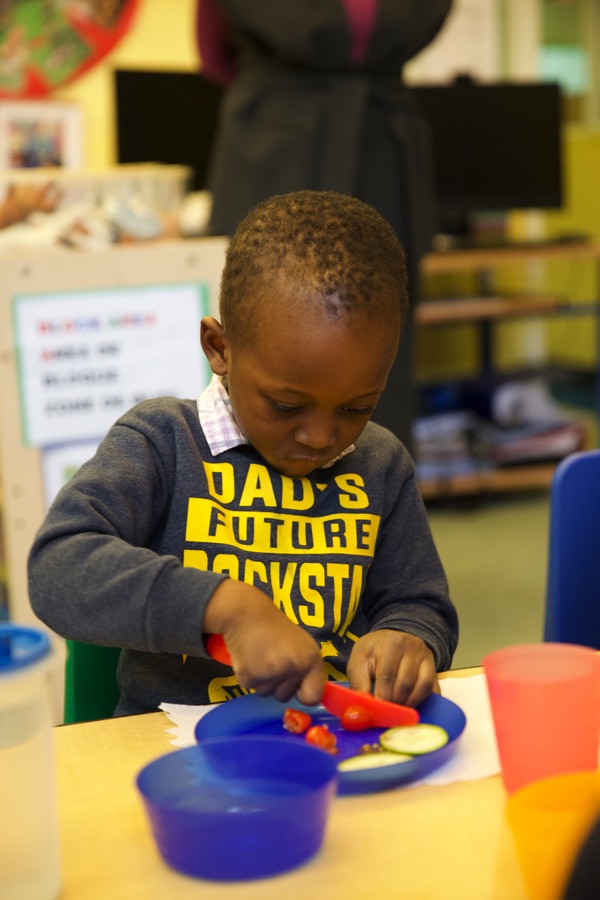
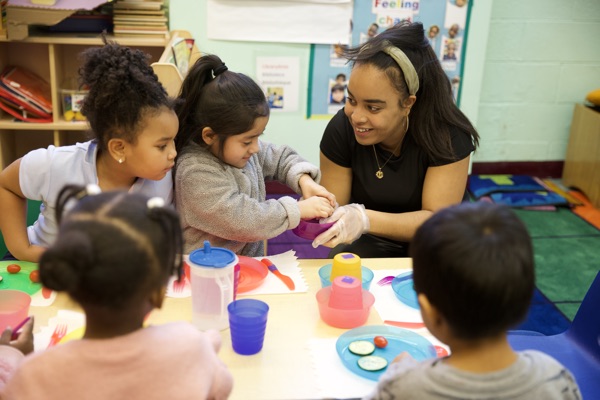
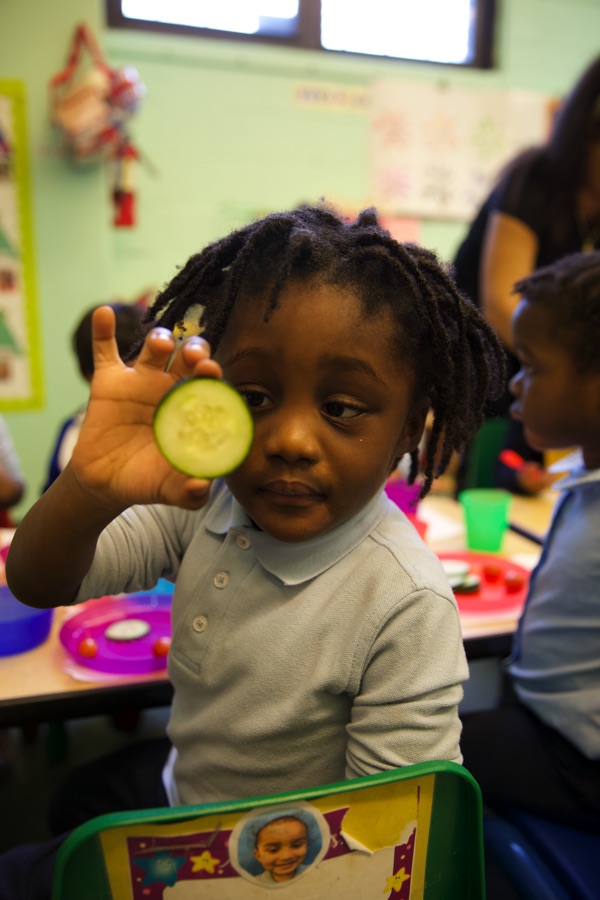
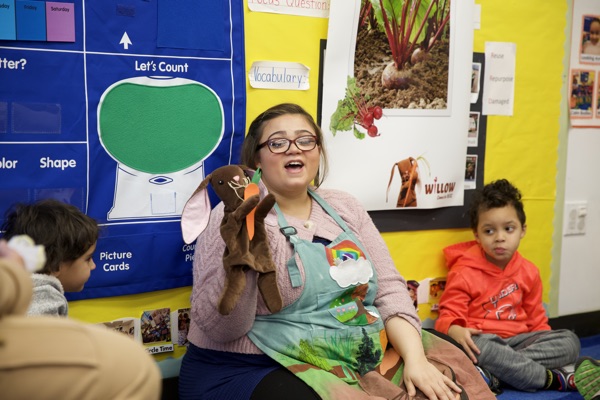
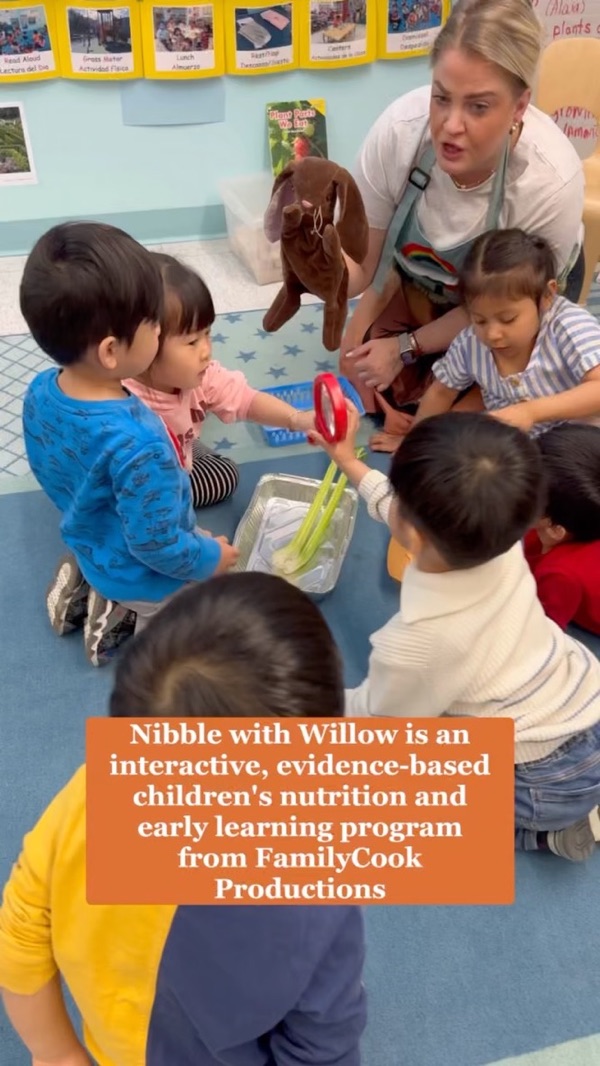
Both of us have witnessed transformation, such as a single mother reversing diabetes through cooking skills she once feared or a child transforming from a picky eater to an adventurous one through engaging food exploration and tasting in a preschool setting. These realities are why we persist. But isolated miracles are not enough.
Food-based medical intervention can no longer remain a patchwork of pilot programs. It must become a coordinated national commitment rooted in evidence and the simple belief that health begins not in the clinic, but in the kitchen.
Jaclyn Albin, M.D., is a physician board certified in internal medicine, pediatrics, lifestyle medicine and culinary medicine in Dallas, Texas. Lynn Fredericks is founder and CEO of FamilyCook Productions, an award-winning nonprofit organization.