The US rural healthcare system is standing at the edge of a cliff. The passage of the “One Big Beautiful Bill” last summer initiated simultaneous elimination of healthcare subsidies and creation of new barriers to Medicaid eligibility, thus threatening access to healthcare of an estimated 2.8 millions of rural Americans.
To put this in perspective, since rural areas often have fewer insurance providers and higher baseline medical costs, the loss of the subsidies actually hits these regions harder than urban centers. Now, It’s estimated that rural consumers face an average of 107% monthly premium increase as compared to 88% in urban and suburban areas.
Without insurance coverage, patients wait to seek care only when they are in crisis. This upends the business model of rural hospitals and Federally Qualified Health Centers (FQHCs). As these institutions lose their Medicaid patient base, they risk losing their ability to stay afloat. Hundreds of rural providers would face imminent closure, creating geographic deserts where access to basic care would mostly vanish.
In an attempt to avert this debacle, the federal government authorized the Rural Health Transformation (RHT) Program—a $50 billion fund distributed by CMS over five years. The rationale estimates a $10 billion annual influx will give struggling facilities a chance to restructure before the full contraction of Medicaid funding hits next year. Yet for many hard-hit states, this immediate funding allocated to keep clinics afloat may only offer a two-year window of true baseline stability before the financial cliff takes hold in FY28.
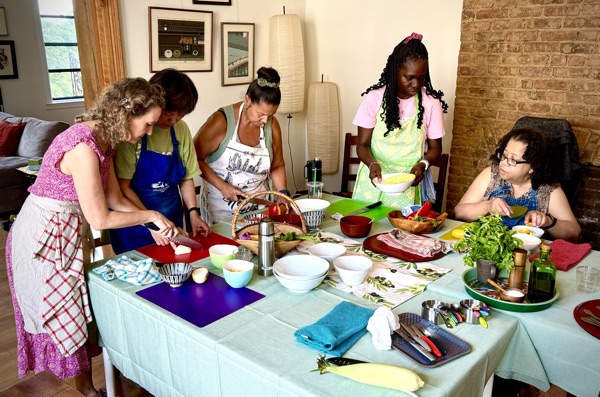
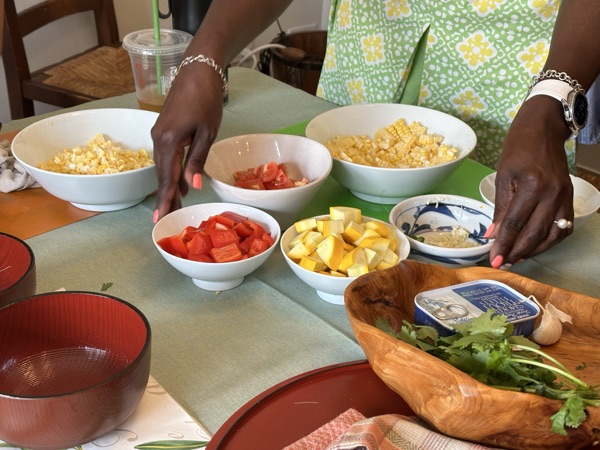
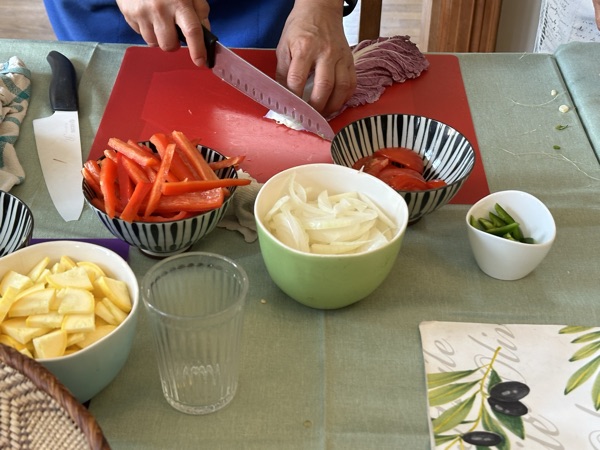
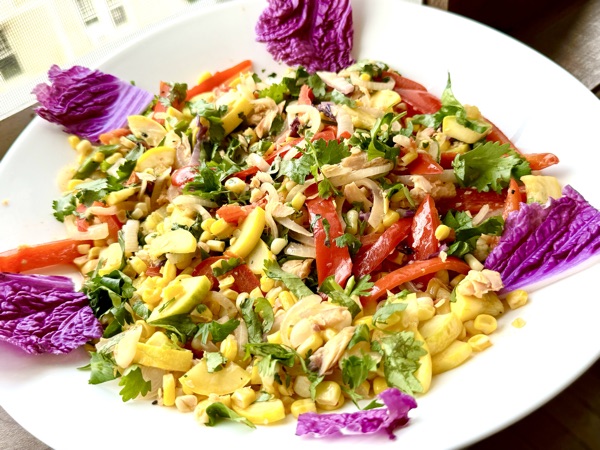
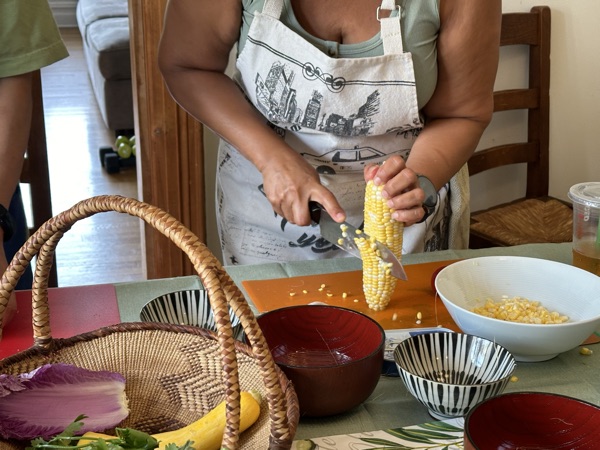
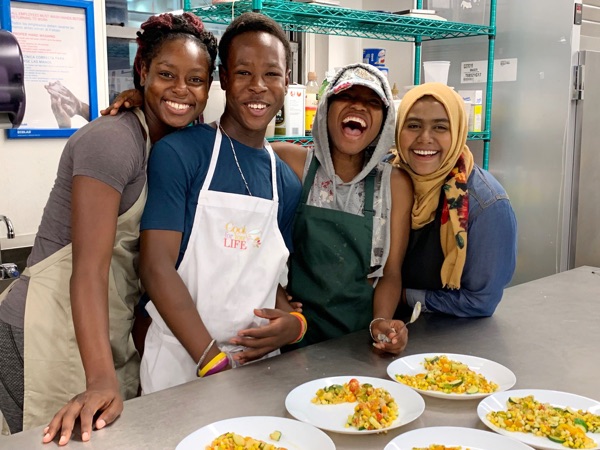
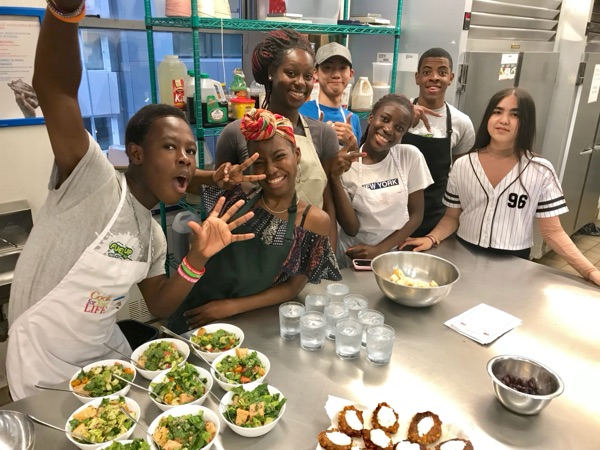
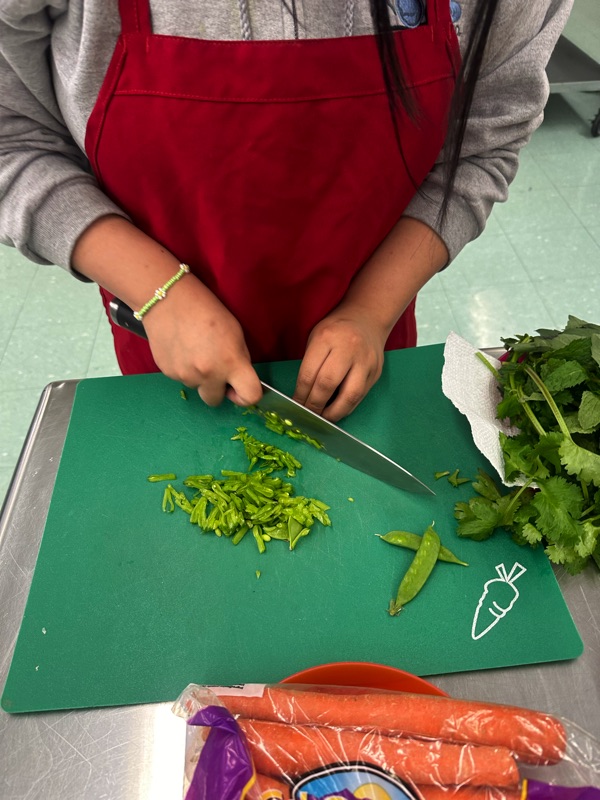
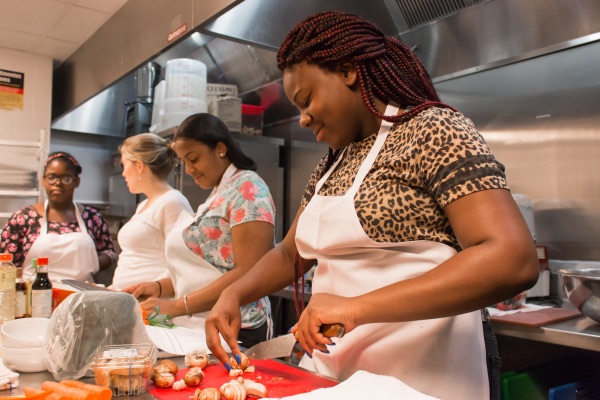
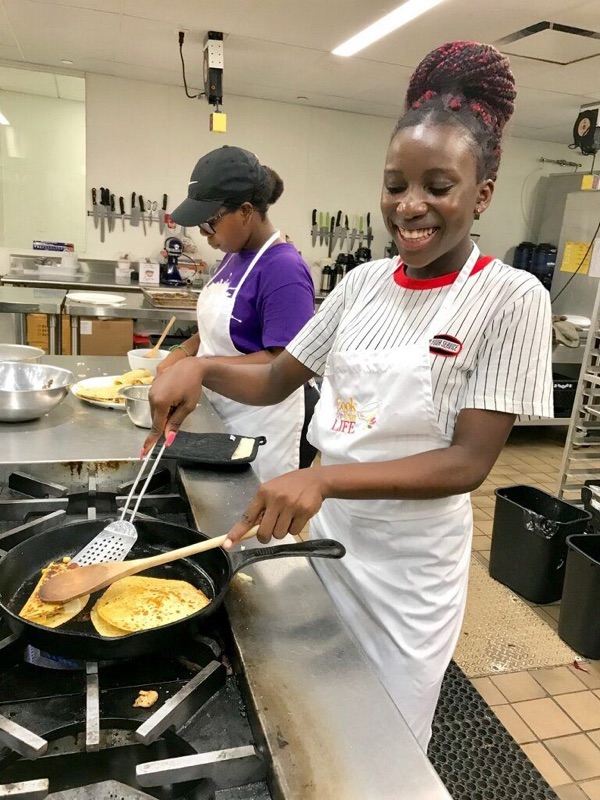
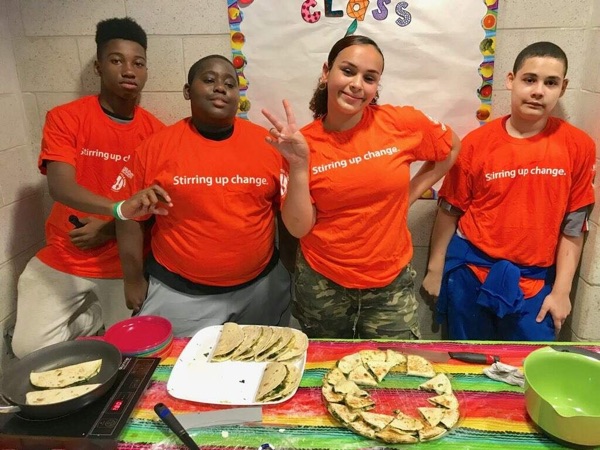
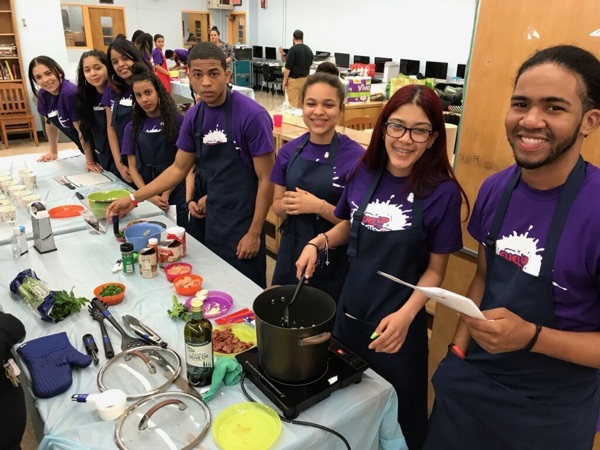
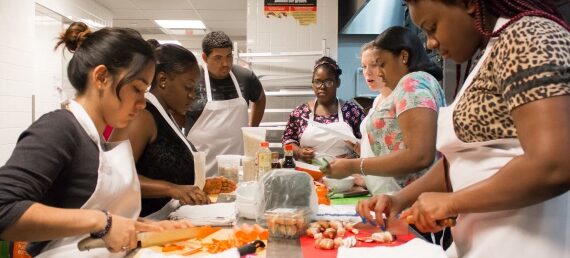
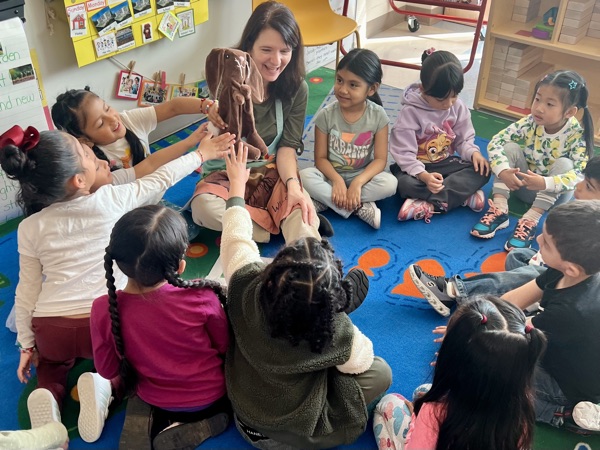
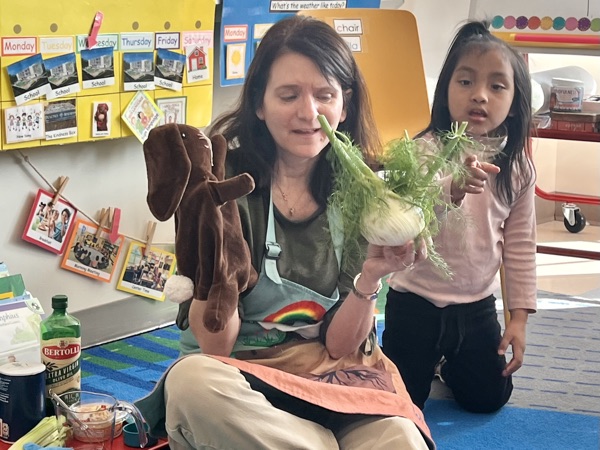
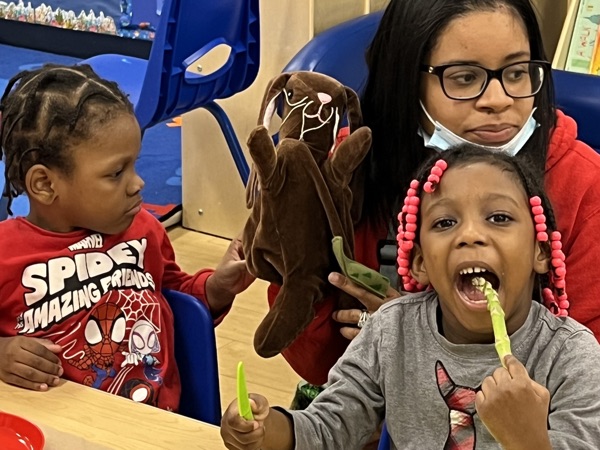
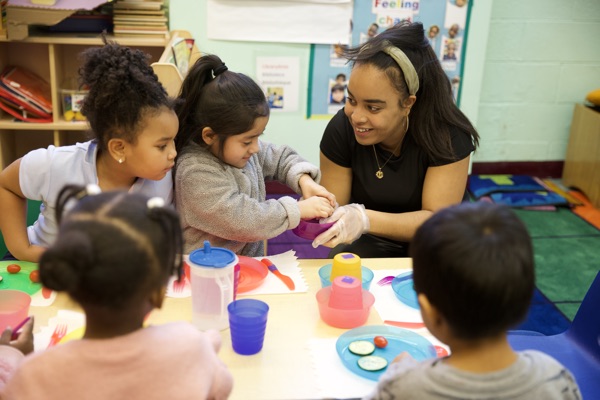
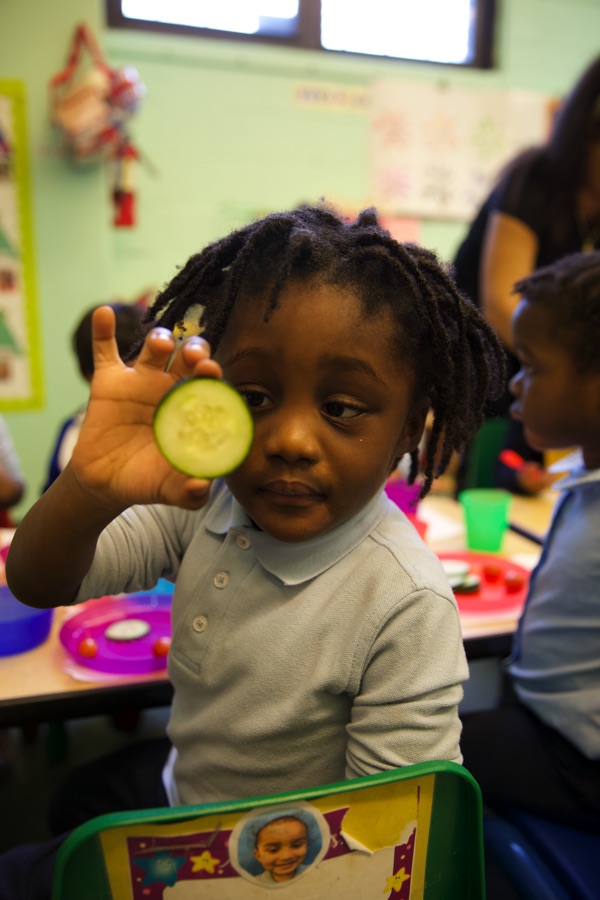
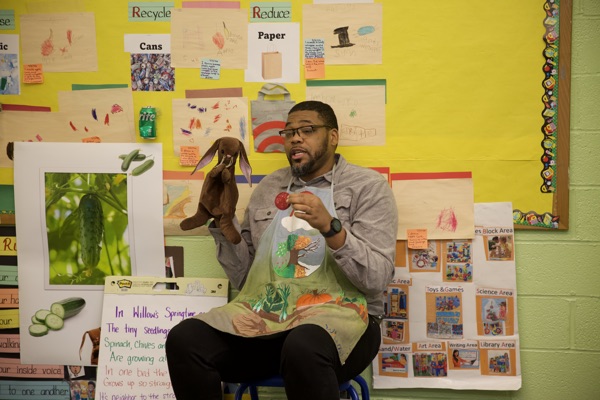
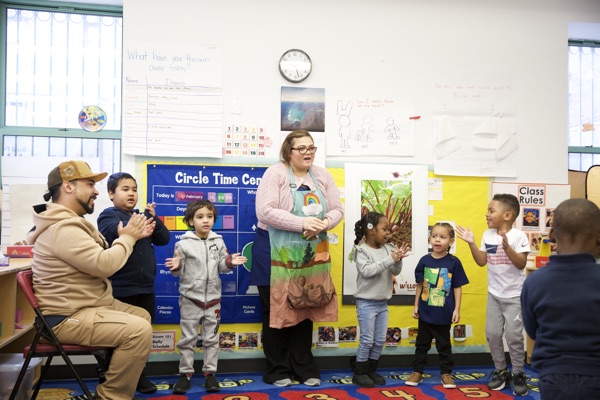
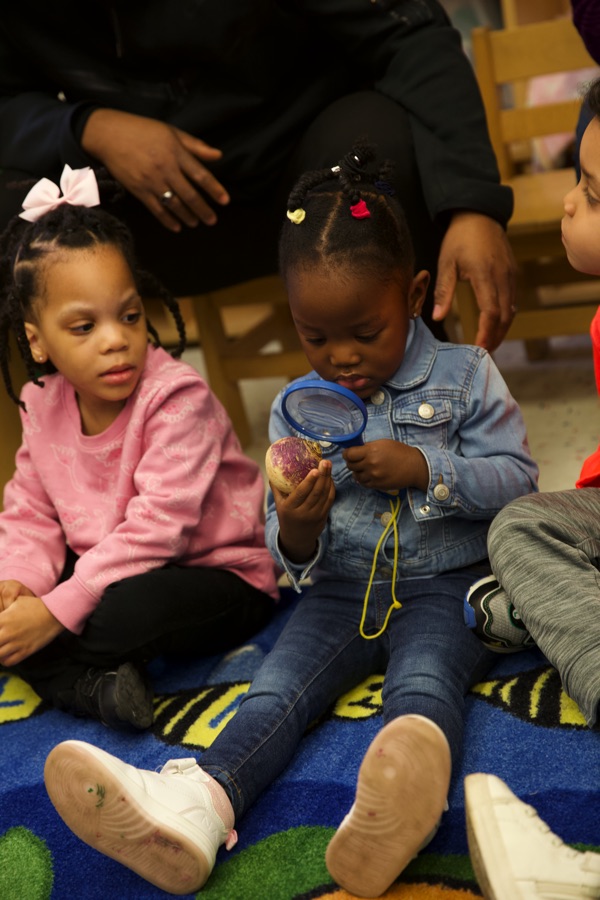
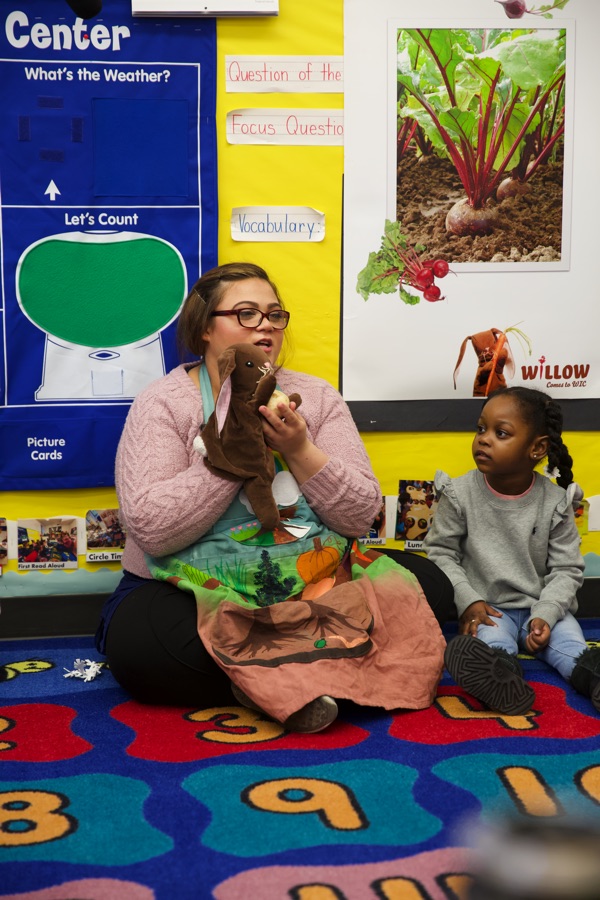
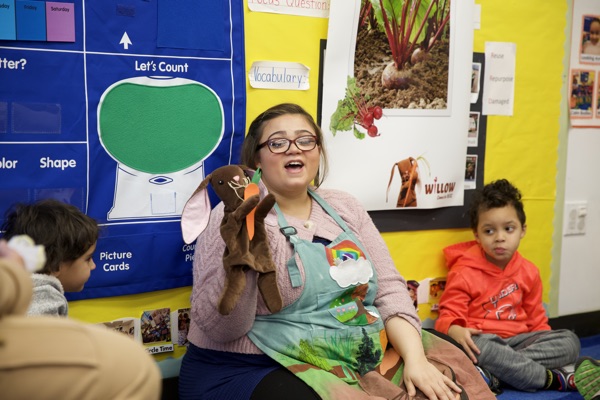
One pillar of RHT, entitled “Make America Healthy Again,” focuses on prevention. This represents an unprecedented opportunity to invest in lifestyle interventions that stop chronic illness before it starts. This is the moment for “Food Is Medicine” initiatives and hands-on teaching kitchens to step into the spotlight and unequivocally demonstrate their efficacy. Two years may not be much time, but there is an urgent opportunity here that should not be missed.
When resources are scarce, teaching individuals how to source, budget, and cook nutritious meals is the most cost-effective prescription available. For FQHCs looking to survive the impending contraction, transforming their care delivery models through nutrition security is no longer a luxury; it is a survival strategy.
To seize this moment, FQHCs should immediately adopt a four-part action plan:
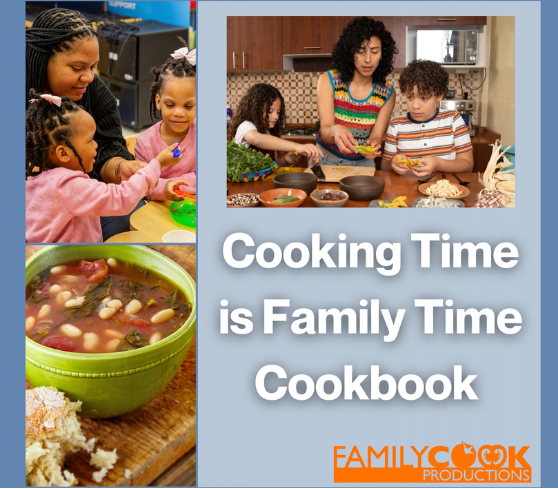
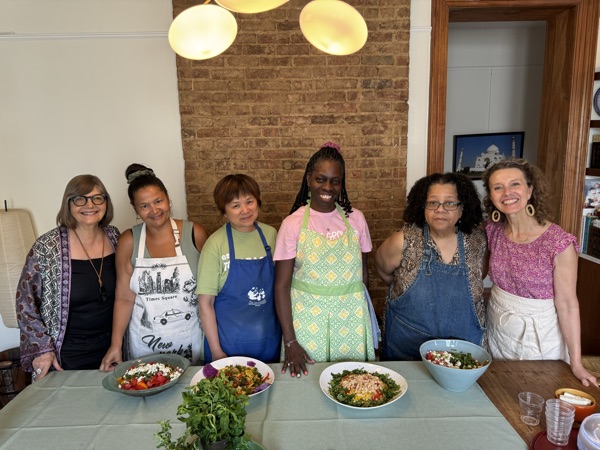
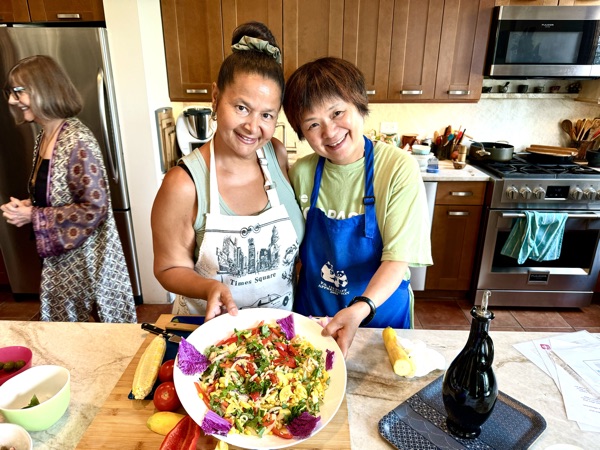
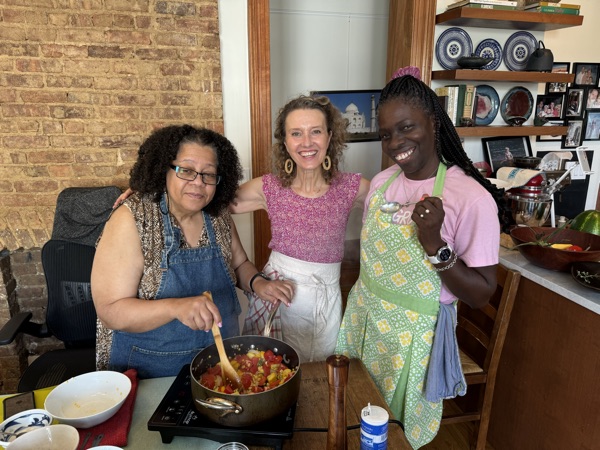
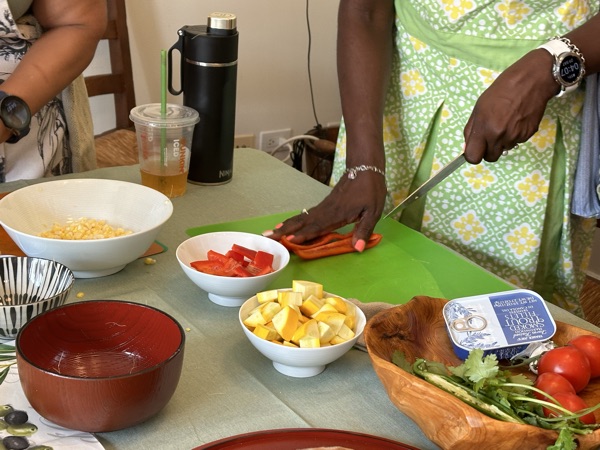
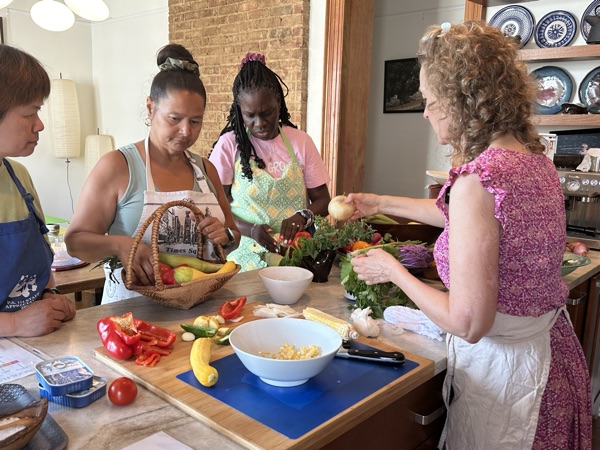
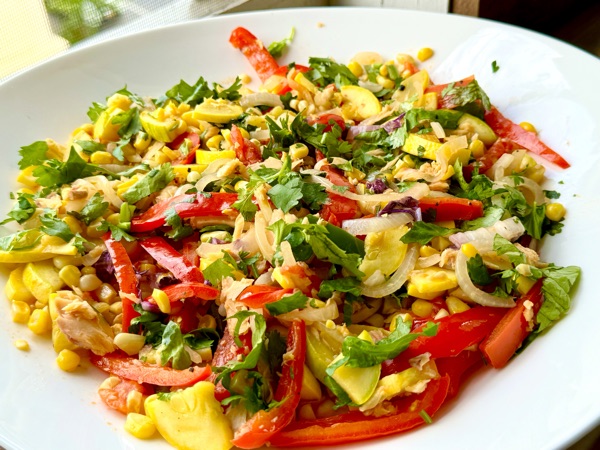
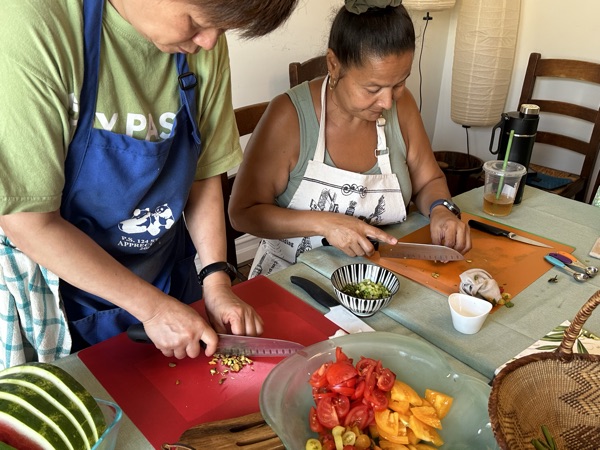
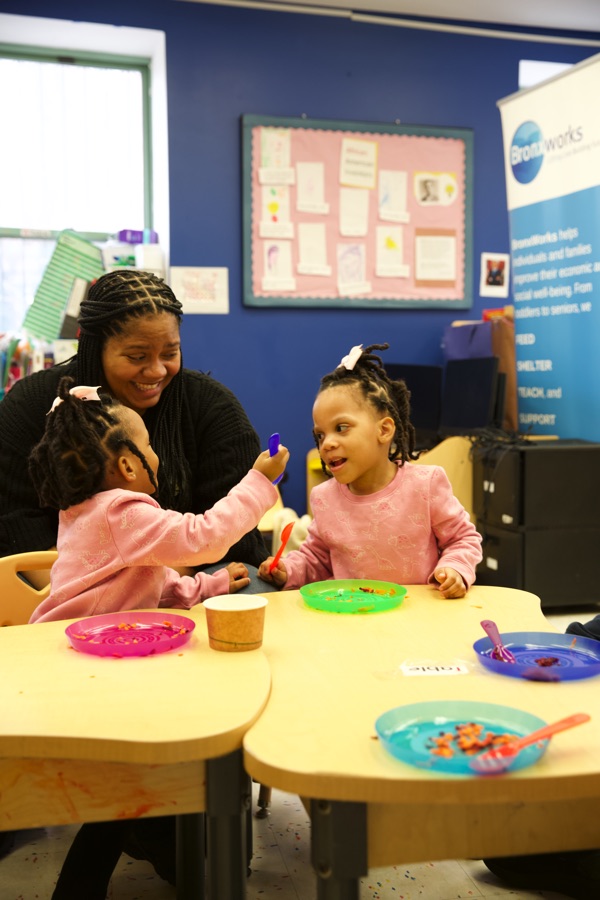
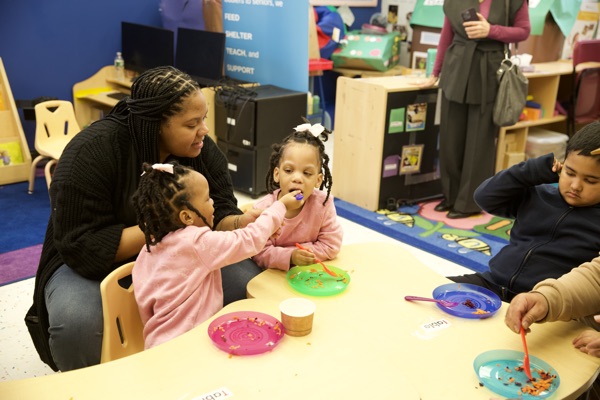
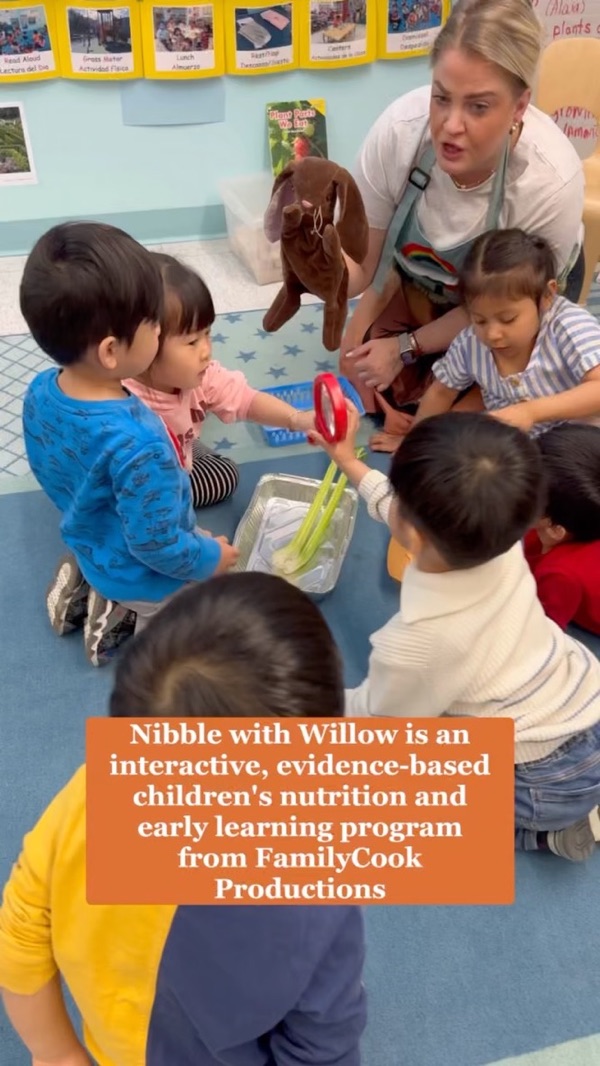
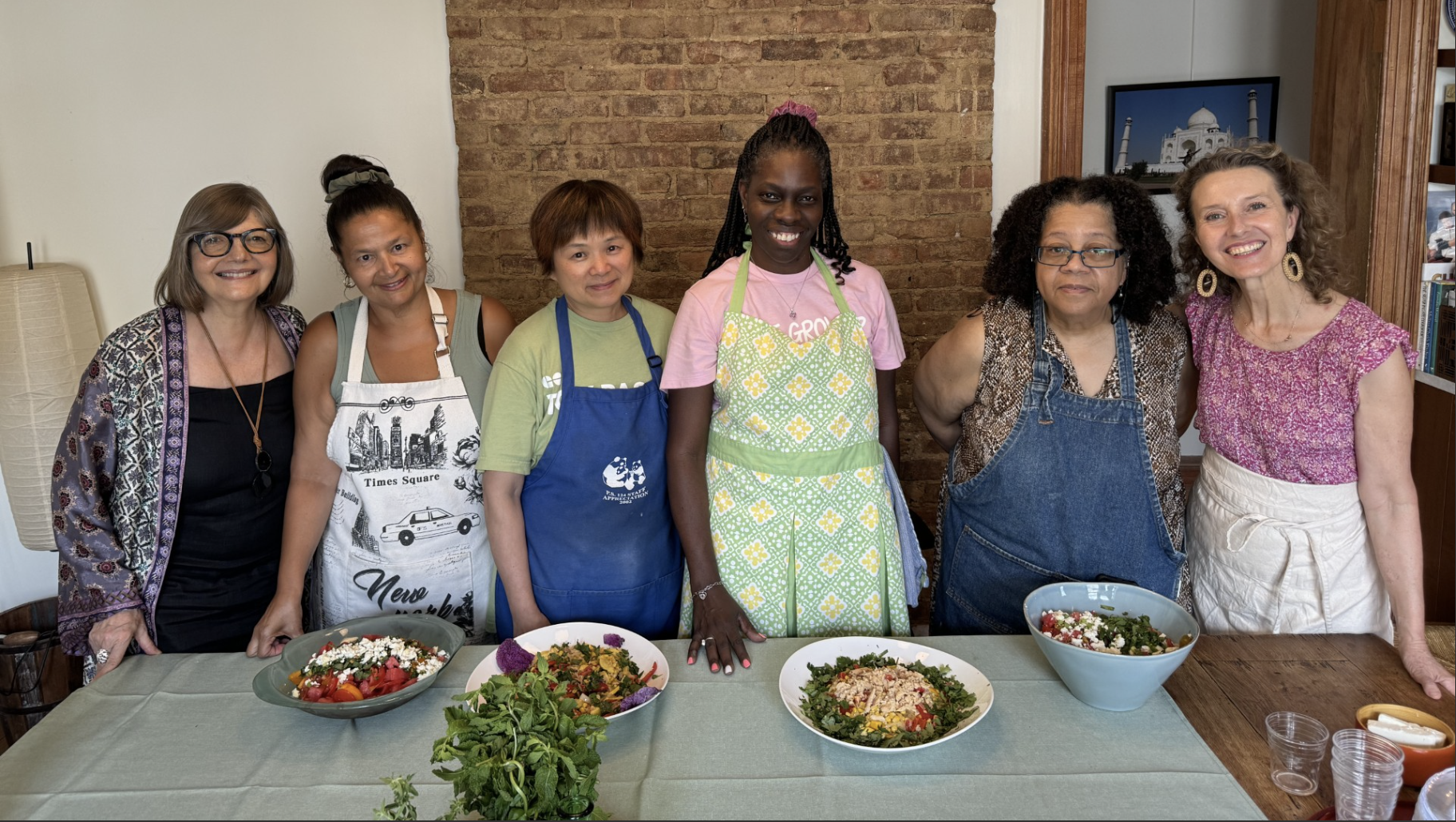
- Initiate Teaching Kitchen (TK) Interventions for All Ages: Move beyond passive, nutrition and physical activity recommendations. Develop immersive, hands-on teaching kitchens within or alongside clinics to support patients to ‘apply’ their dietary recommendations. Many communities have local food banks that offer healthy cooking classes. Collaborations enhance capacity and clinicians can target referrals for their most at-risk patients. Programs should encompass patients across the life cycle: young adults, parents with young children, and seniors as well as adults with risk factors . Equipping patients with the practical culinary skills required to manage or prevent diet-related chronic conditions like diabetes and hypertension can offer a big financial pay off.
- Track Behavior Change Rigorously: Reach is important but FQHCs must track behavioral change through robust quantitative means (such as tracking biometric markers like HbA1c, blood pressure and other markers alongside grocery budget shifts) and qualitative means (capturing patient agency, motivators, confidence, and long-term household dietary changes).
- Publish Results and Assess Value on Investment: Evidence is key to support policy changes to sustain inroads on cost reduction. FQHCs must aggressively analyze and publish their outcomes. Demonstrating how hands-on culinary medicine reduces ER visits and stabilizes chronic disease and reduces cost of care will support the case for permanent, value-based reimbursement models (1).
- Lean on State Land-Grant Extension Services: FQHCs do not have to build these systems from scratch in isolation. By leaning on your state’s land-grant university cooperative extension system, you tap into existing expertise. These networks possess deep institutional knowledge in community nutrition, agriculture, and evaluation, making them ideal partners to help implement, scale, and measure the impact of your interventions.
The RHT funding is a rare opportunity to take action. We can either watch our rural healthcare infrastructure erode, or we can use this historic transformation fund to build a more resilient, prevention-first future. Let’s get into the kitchen.
Fredericks, L., Thomas, O., Imamura, A. et al. Will a Programmatic Framework Integrating Food Is Medicine Achieve Value on Investment?. J GEN INTERN MED 40, 1742–1748 (2025). https://doi.org/10.1007/s11606-024-09192-w