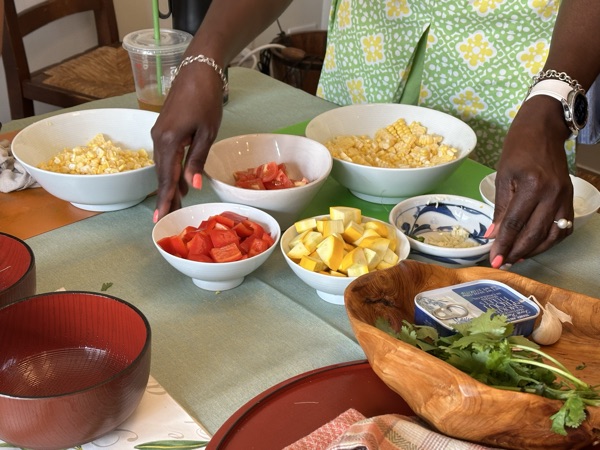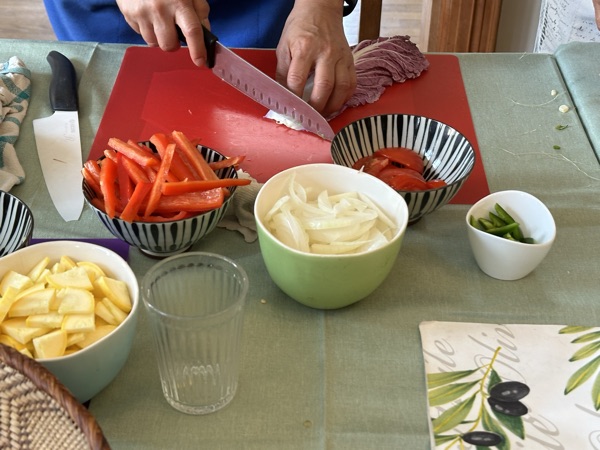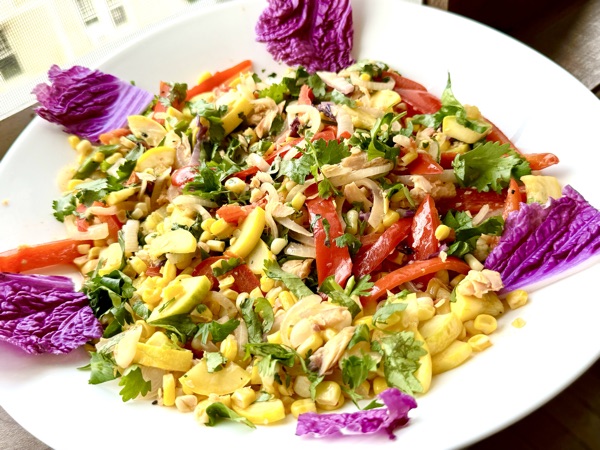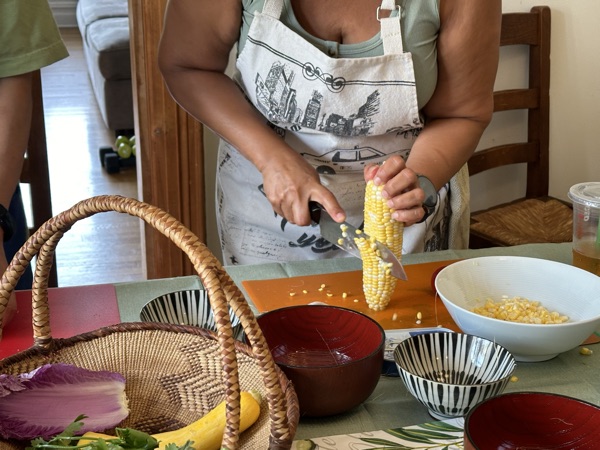

A recent OpEd in The Washington Post, “This solution to Obesity Doesn’t Work. America Still Eats it Up 11/9/26,” written by a physician, demonstrates a lack of aligned perspective among the stakeholders needed for Food as Medicine (FIM) to succeed. That’s because physicians and providers of healthy food are not trained in behavior change, unlike their dietician and public health counterparts. For Food Is Medicine (FIM) to become an undisputed successful federal policy, evidence-based strategies underpinned by behavior change theory and frameworks are essential.
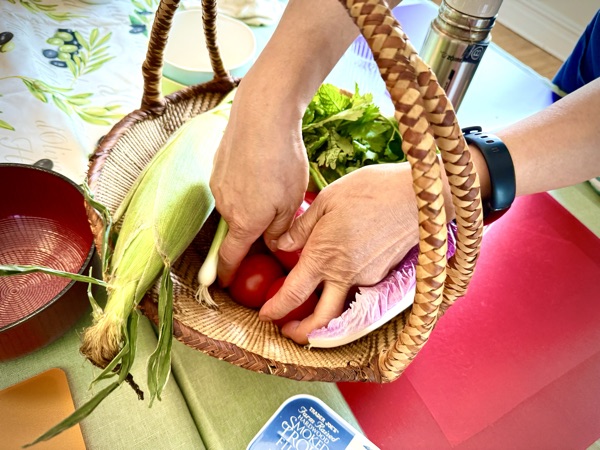
Behavior change is complex and requires multi-level interventions – at the policy and environmental levels as the OpEd writer suggests, as well as through food skills training offering experiences that research has shown motivate participants to want to voluntarily make lifestyle changes around diet and exercise. Yet because the highest rates of diet-related chronic diseases are disproportionately experienced by persons in the lowest income brackets, state-of-the-art culinary nutrition education is not enough. Such families are too often ill-equipped to adhere to what they have learned in a healthy cooking class if barriers to healthy food access (including cost, transportation, and even basic kitchen equipment and utensils) are unavailable.
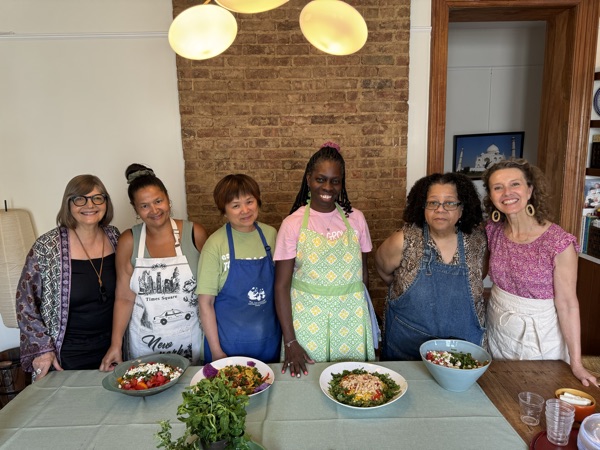
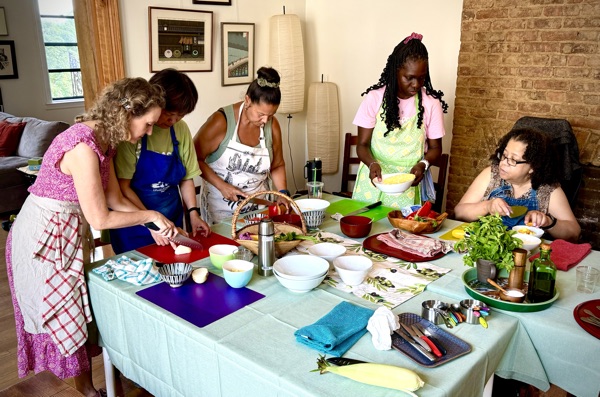
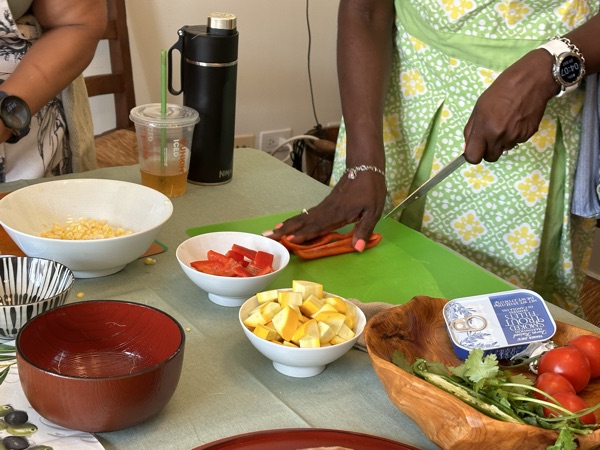
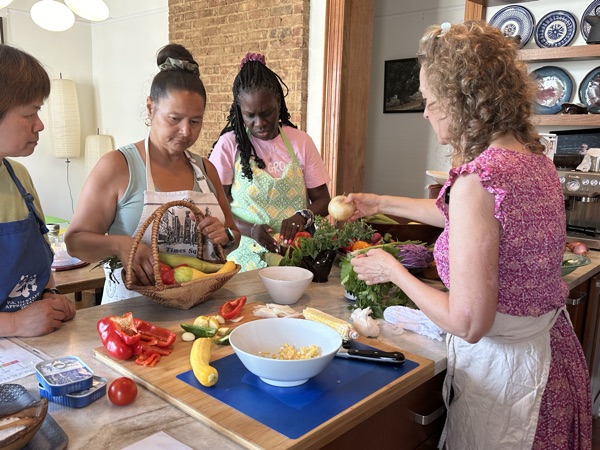
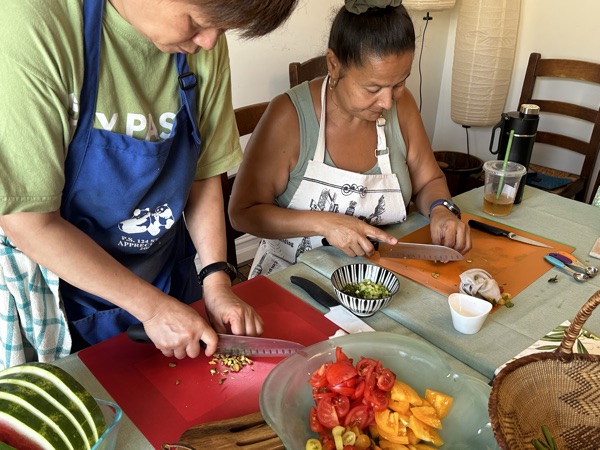
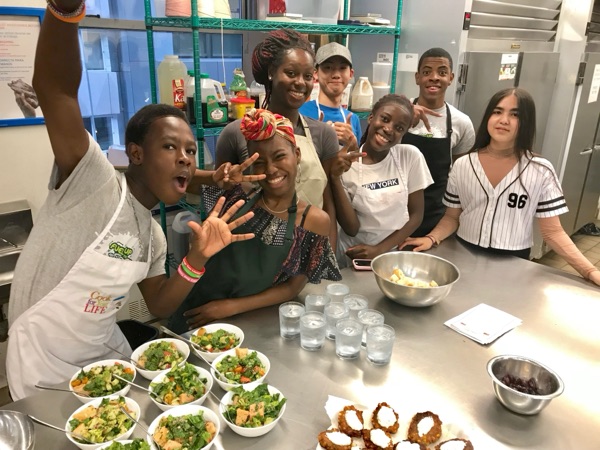
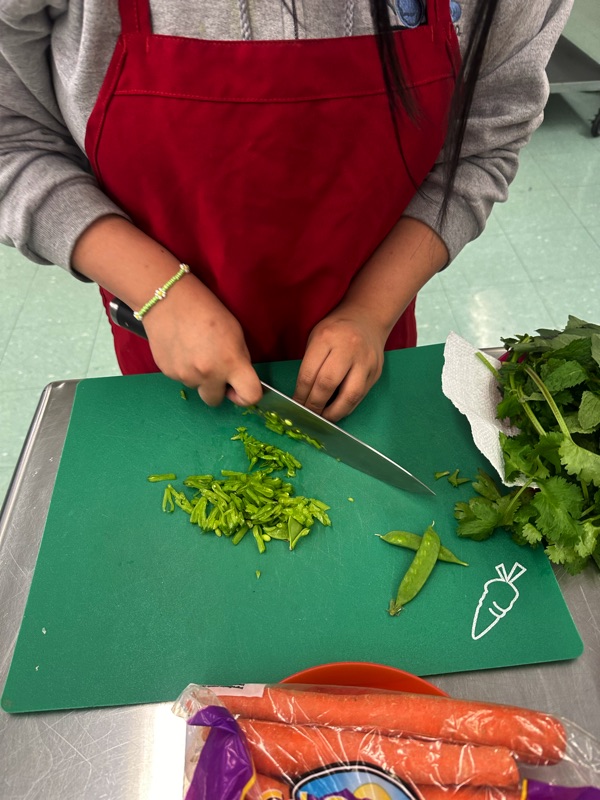
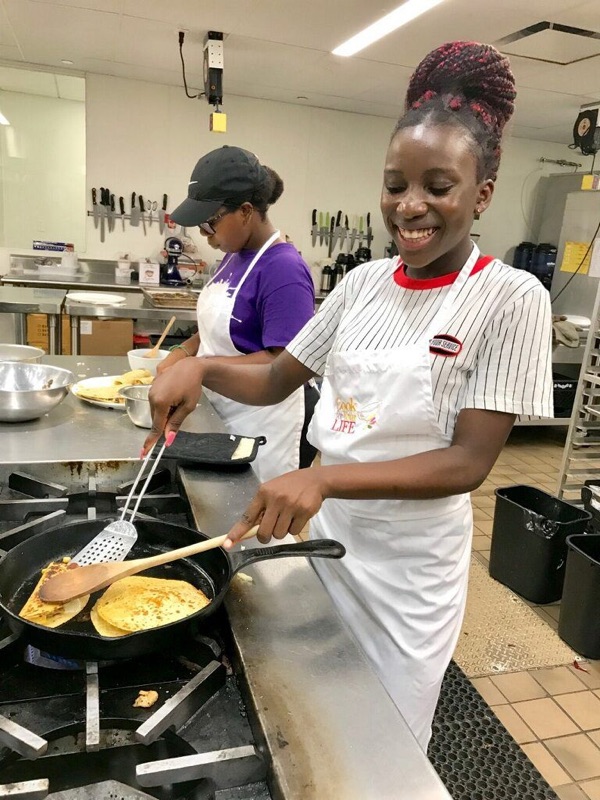
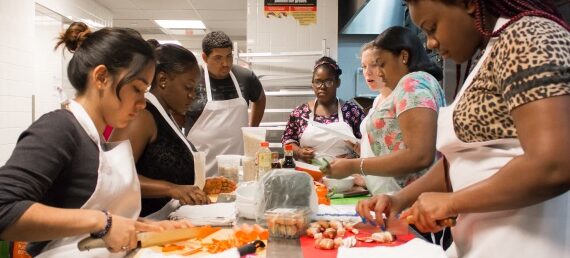
Teaching Kitchens (TK) are exploding across the clinical and community/prevention landscape. FamilyCook and many other practitioners of this work have seen how applying nutritional recommendations through the making of simple but delicious recipes is ever more effective than nutritional recommendations alone. This growth within the field of culinary nutrition has been on the rise long before the current leadership at HHS has given an approving nod to Food Is Medicine. Because access to affordable healthcare helped shift the new wave of young democrats to congress, 2027 would be an ideal time for a bi-partisan legislation to bring resources to make FIM successful policy.
Here are 5 Essentials that would offer a comprehensive approach to a National Nutrition Education Reboot:
- More reimbursement codes for nutritional counseling by dieticians and culinary nutrition classes as part of diet related chronic disease treatment.
- Veggie prescriptions to accompany this counseling and education for patients who are food insecure
- Access to food pantries to address issues of access for anyone, including people who can pay for food but still have availability challenges.
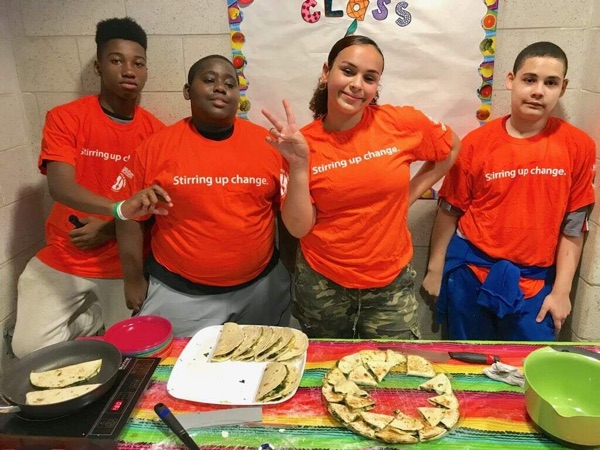
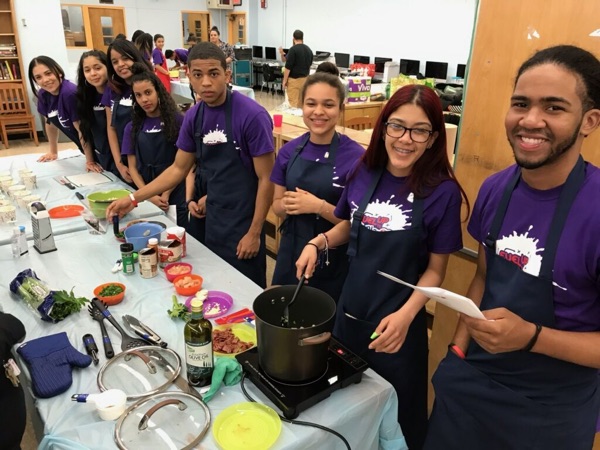
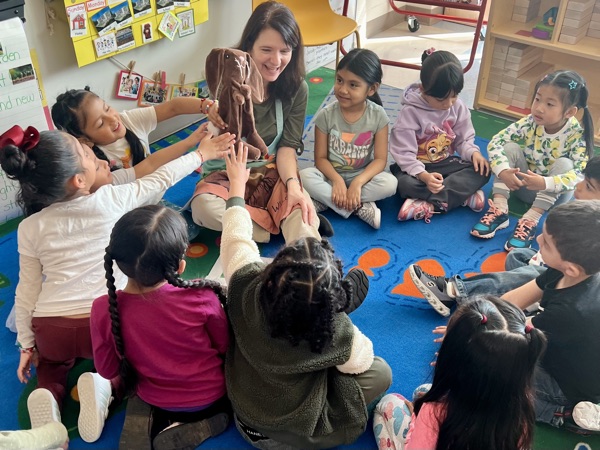
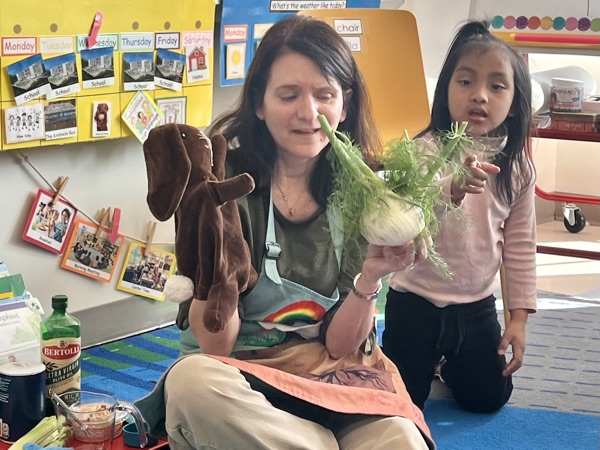
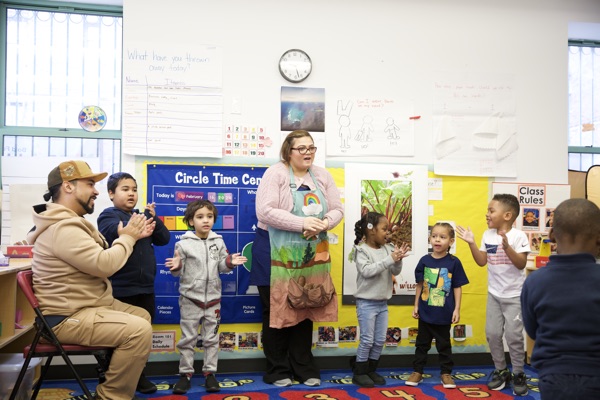
- Culinary nutrition in schools and community settings as prevention for youth of all ages
- A family wide approach within this prevention arena – children are not the gatekeepers of the food in their families
Teaching skills beyond basic nutrition education empowers people to adapt and evolve within their environment. The evidence is there and growing. We’ve seen patient after patient and entire families make sustained dietary changes and we have the data to back it up.
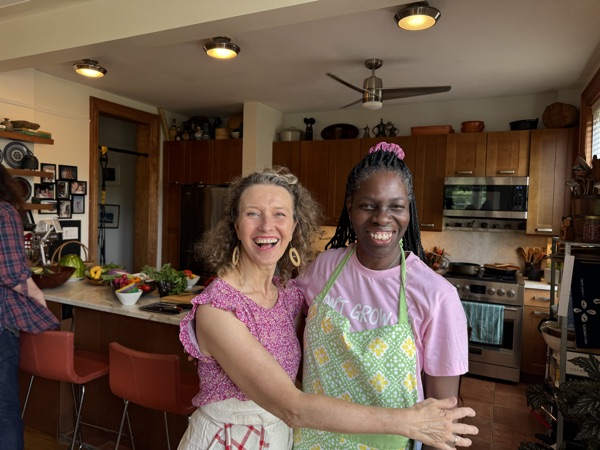
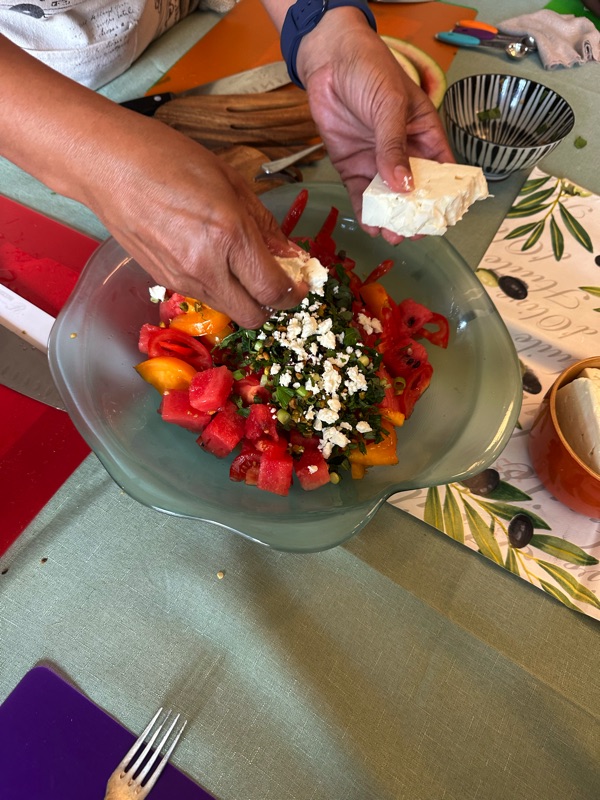
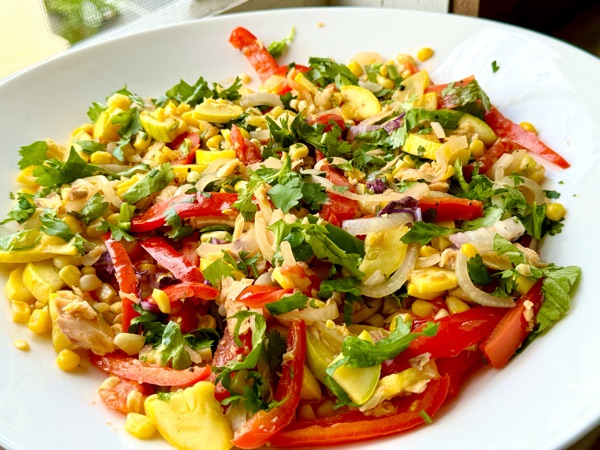
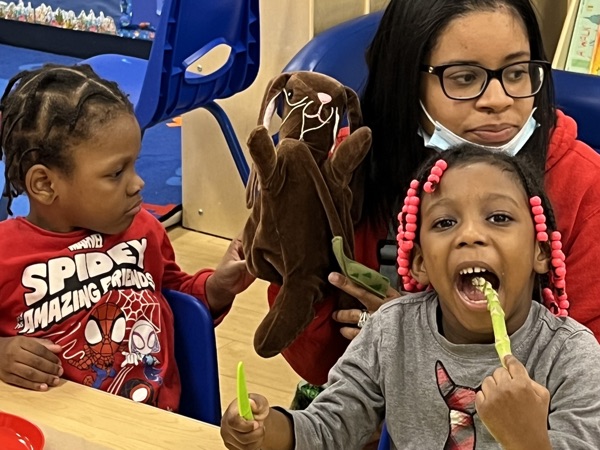
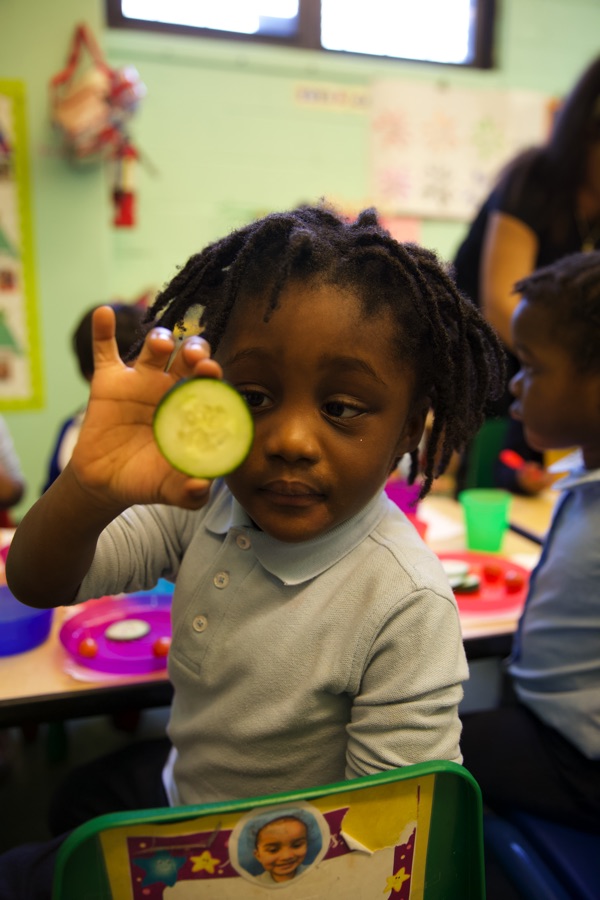
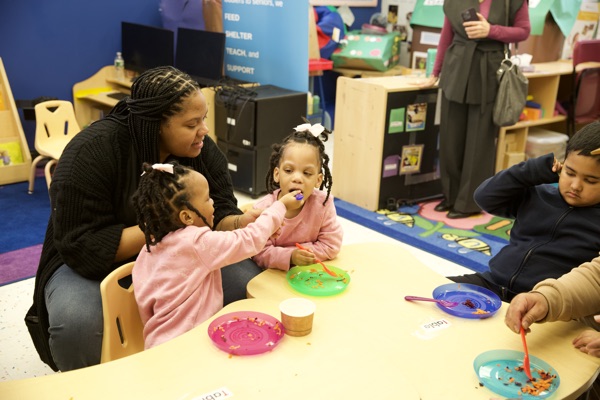
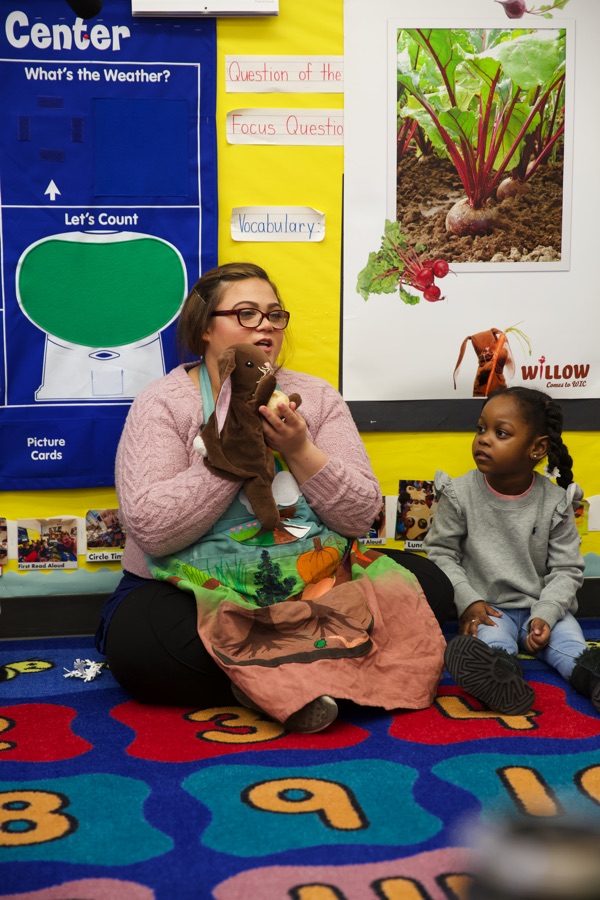
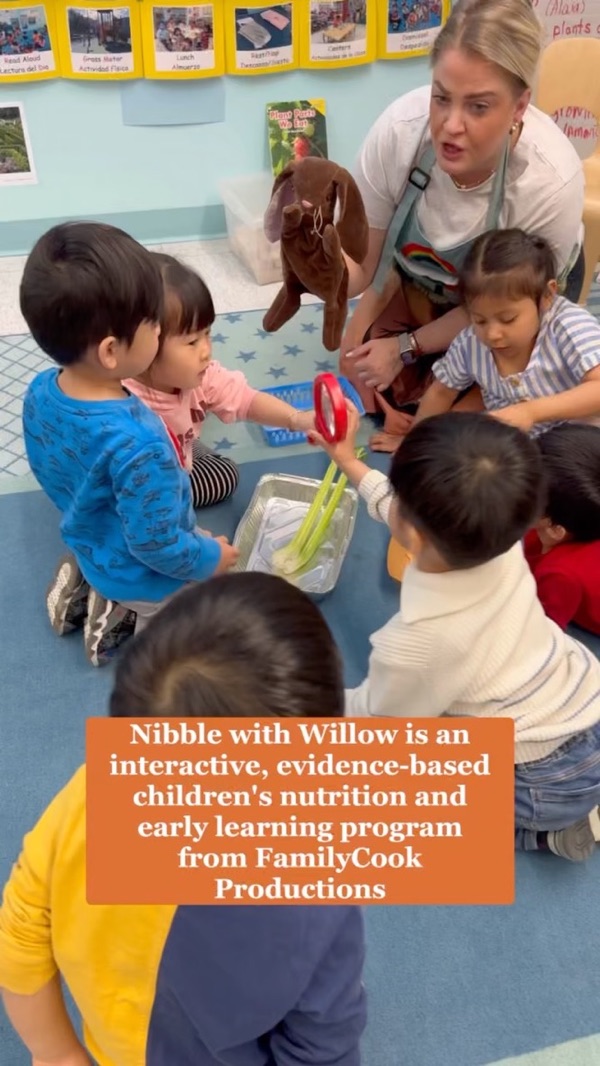
They learned how to make easy, affordable meals their whole family enjoys and they ate it up with gusto!