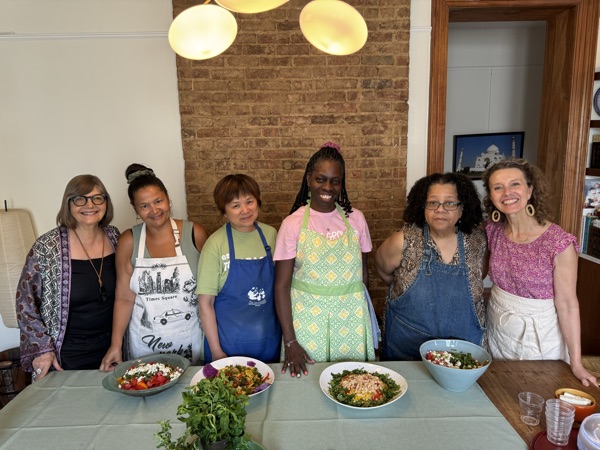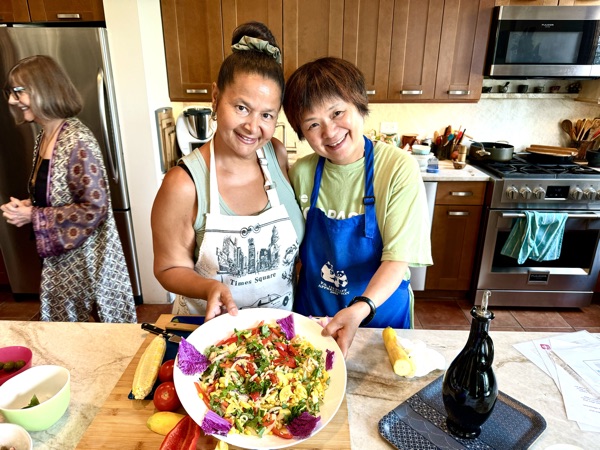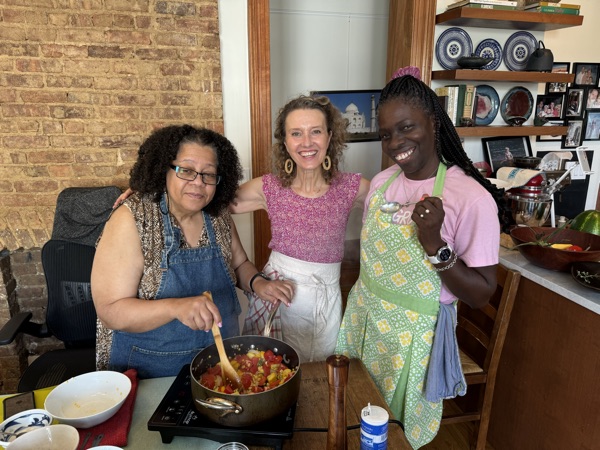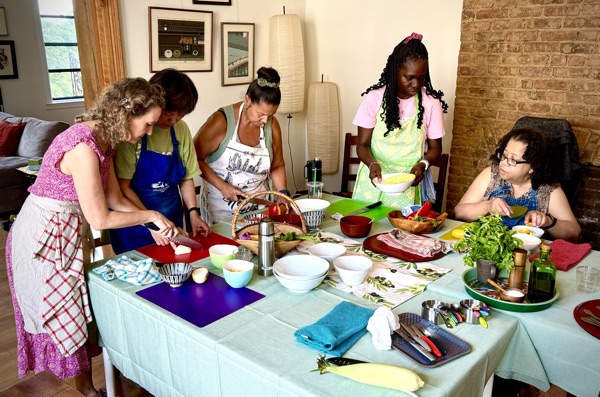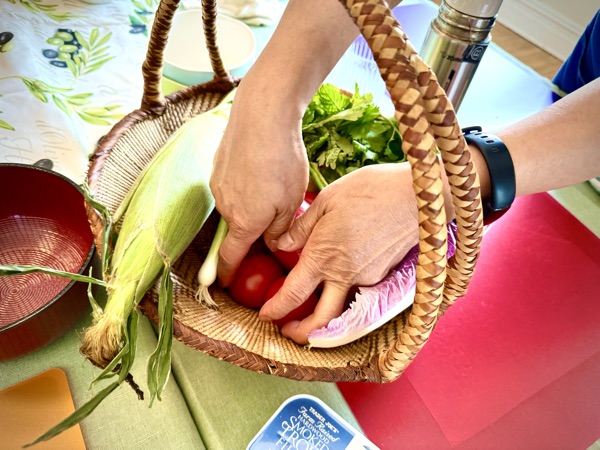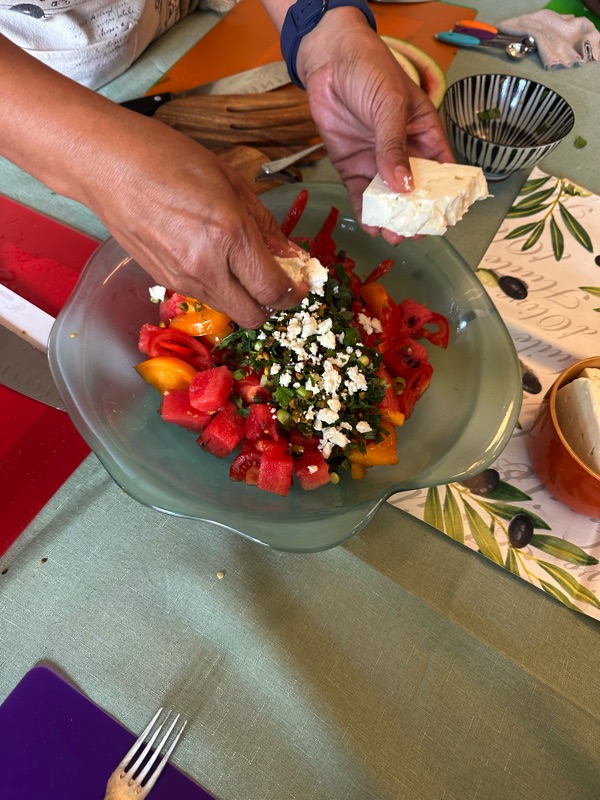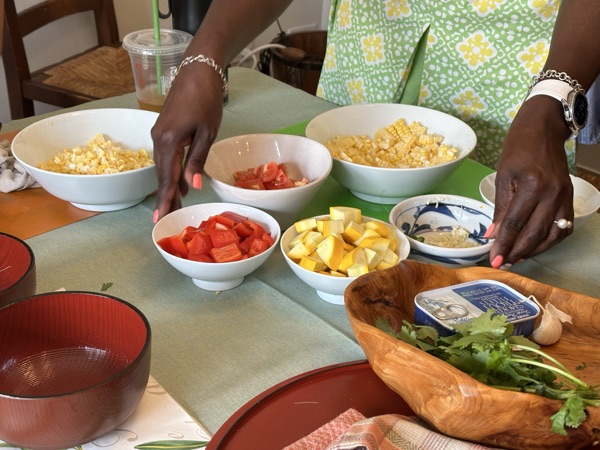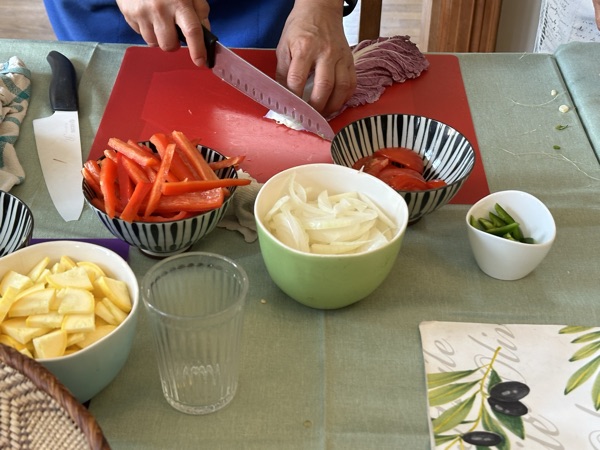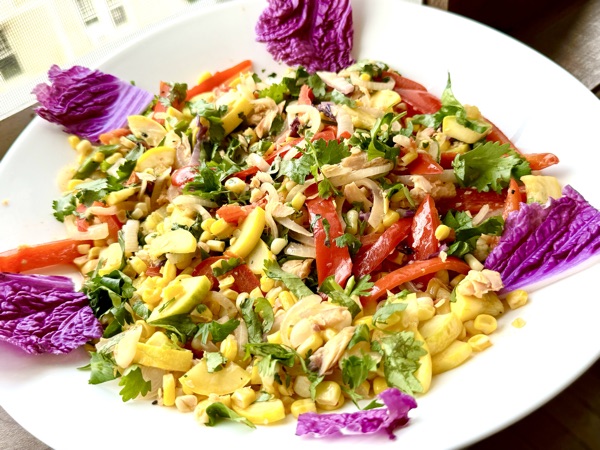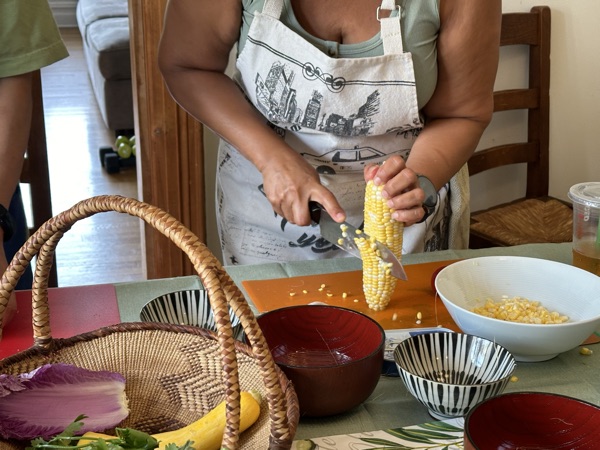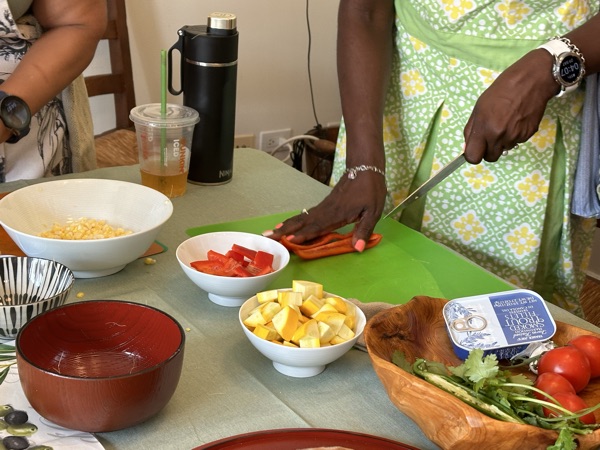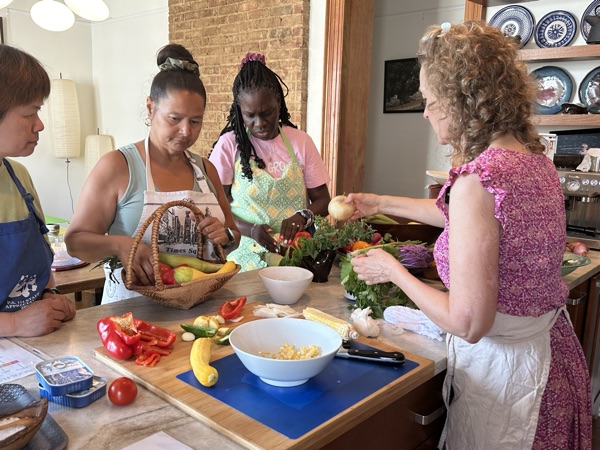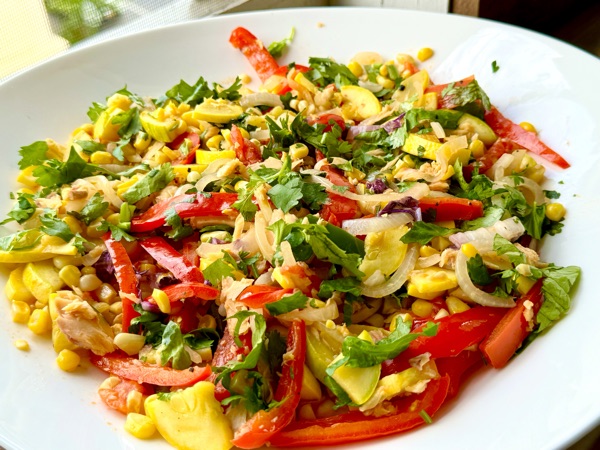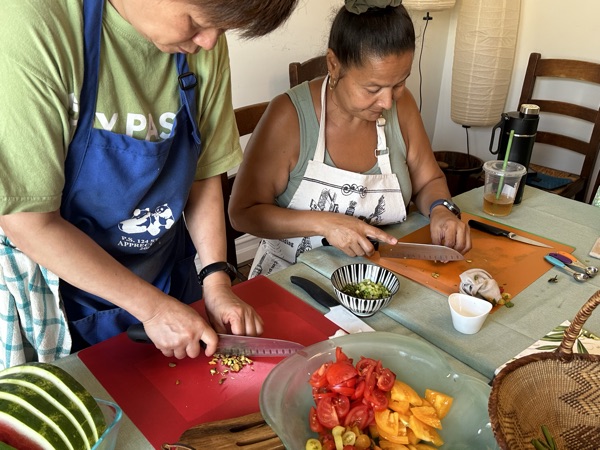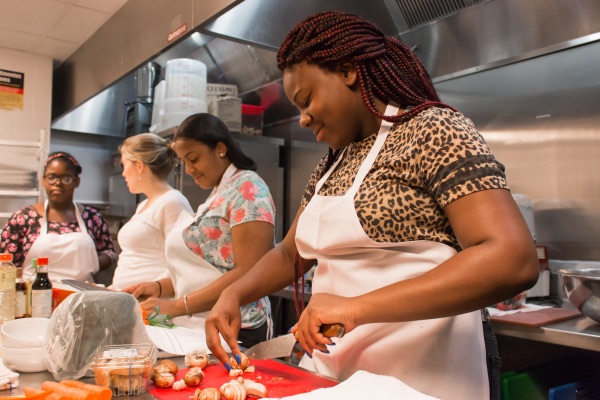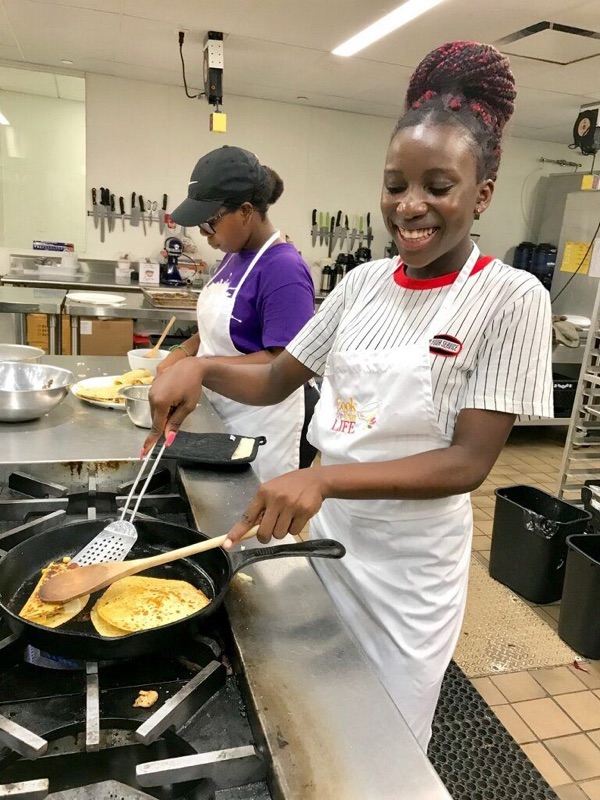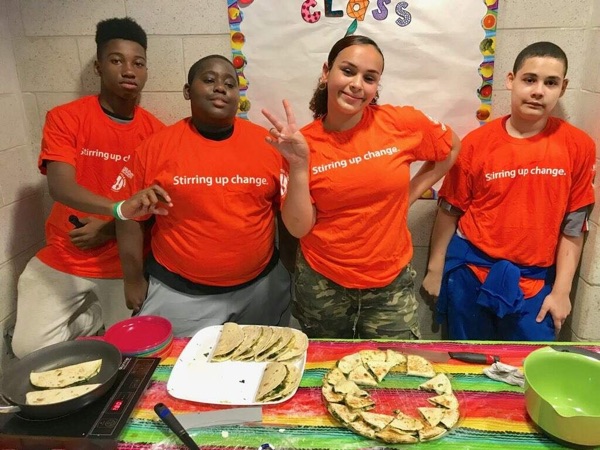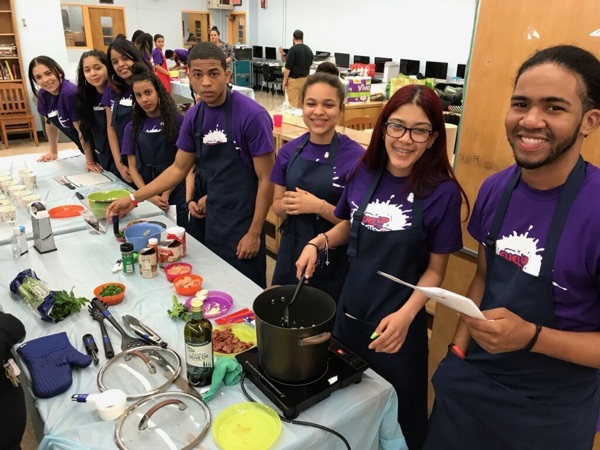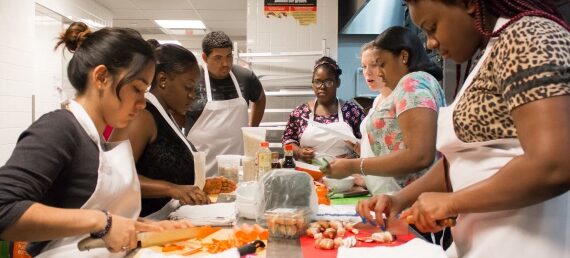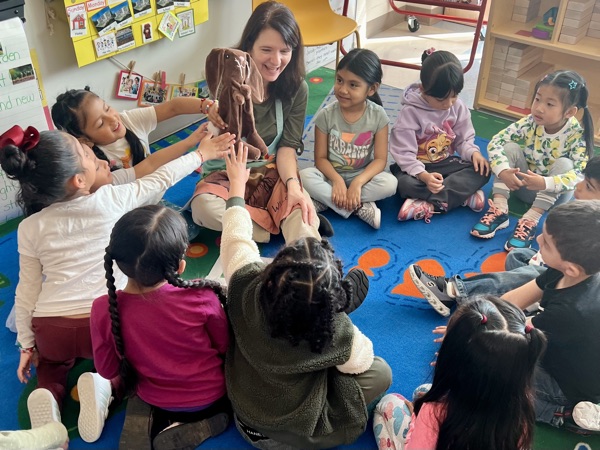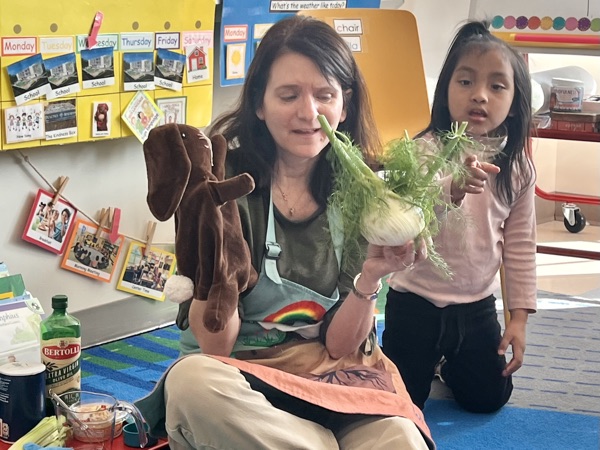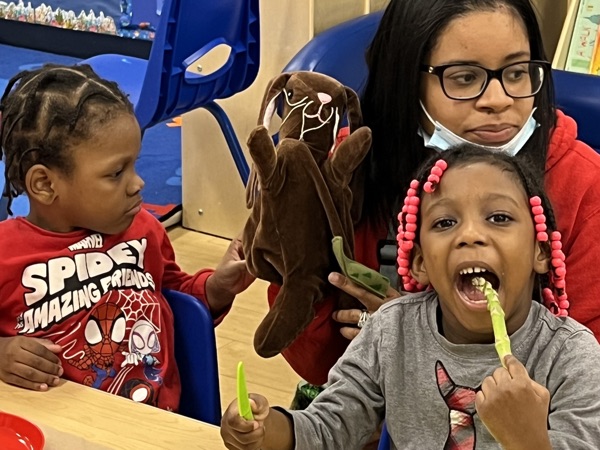

Teaching Kitchens (TK) are exploding across the clinical and community/prevention landscape. Champions and practitioners of this work have seen how applying nutritional recommendations through the making of simple but delicious recipes is ever more effective than mere nutritional handouts or one more fad diet.
Yet to date, there are no universal standards or agreed upon best practices to ensure each teaching kitchen session maximizes impact on participant behaviors around food choices. In truth, this is where the rubber meets the road: does your TK program support measurable behavior change? For clinicians the answer can sometimes be explicit through improvements in patient health outcomes. But what about programs that may be extremely effective, but are unable to measure A1c or other anthropomorphic metrics?
After 30 years as a TK practitioner, I’ve identified one simple question TK operators can use to assess whether their program is ‘moving the needle’ or falling short. Here’s the question:
Does it become self-evident to your TK participants that they can no longer continue with their old food behaviors? That they have no choice but to make changes?
Everytime I ask a colleague this question, they pause and realize that they really are not sure. Now there are a lot of reasons they may not be sure. It could be that they don’t interview participants to know how motivated they are to change. They may conduct surveys and/or some biometrics, but those alone do not reveal whether a given patient’s intention is to commit to full lifestyle change.
But to me this is the ultimate litmus test. If we are laboring to deliver dynamic, hands-on nutritional cooking classes to support people to avoid the onset of or manage an existing chronic condition… then the only real measure of success, as I see it, is a full blown realization that how they used to live their life with food is no longer sustainable.
Of course there are a range of techniques we can use when conducting program evaluation to know if participants are committed to making wholesale changes, but that’s not the focus of this discussion.
Instead, even if you are not sure whether this self-evident realization is happening, I can offer a few steps you can take to at least increase the likelihood of your participants arriving at the conclusions that their old food behaviors need to go and be replaced with something new and usually more delicious and exciting.
So here are FamilyCook’s “Top 4 Ways to Motivate Long Term Behavior Change” among teaching kitchen practitioners of all ages.
- Consider using SMART goals as a program activity – the value of SMART goals is that if people commit to making a small but achievable behavior change while they are participating in your TK education, they are learning important self-awareness about their own behavior change process. Their intentional behavior change effort helps identify areas of weakness and/or personal barriers to success. Because this is happening during your program, you or if they are fortunate to be able to meet with a dietician for MNT, can help them apply this self awareness to set them up for longer term behavior change success.
- Create an opportunity for reflection – it’s extraordinary how focused TK practitioners can become on packing in loads of nutritional knowledge into our TK programs. There’s so much to know about nutrition and various health conditions. Over many years, I’ve learned that one of the most powerful behavior change tools is offering one or more opportunities for participant reflection about what they’ve experienced in the class, how they feel and have reacted, what has changed in their perspective about food, their palate and how these experiences have motivated little or greater changes in their day to day relationship with food. There are many ways to introduce opportunities for reflection, including written exercises and group discussion.
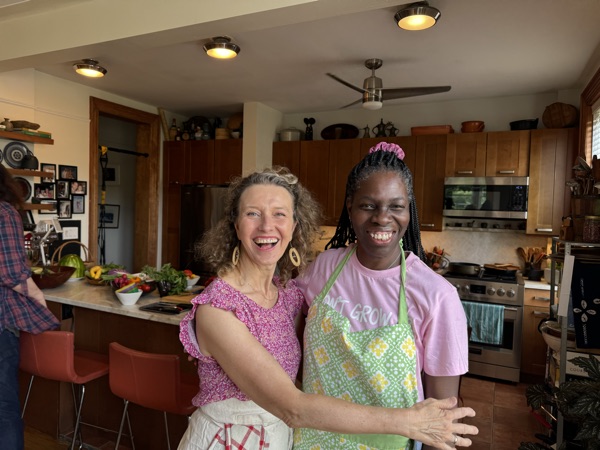
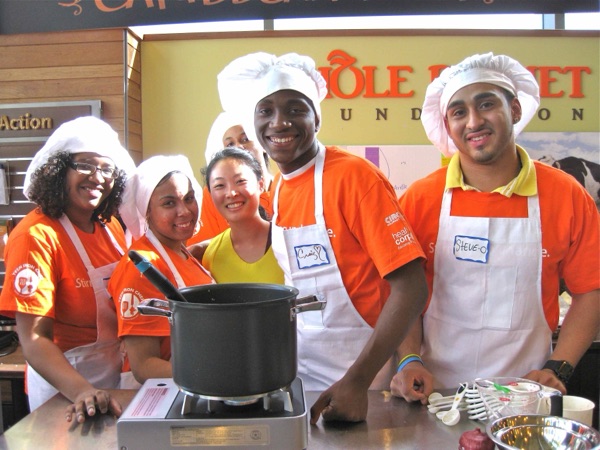
- Utilize peer educators on your teaching team – Your professional team can be wonderfully skilled, personable and engaging, but many participants will see a gap and think that the recipes and ingredients are more appropriate for people with more education or different cultural backgrounds. And that’s no matter how ‘culturally appropriate’ your recipes are. With a peer educator closer in age and life experience to your participants and ideally someon who’s gone through your program and made these changes in their lifestyle – your TK program becomes much more relatable. Buy-in by participants grows, and they feel a stronger connection to the idea of change being possible in their lives
- Create a community that wishes to remain connected after the class concludes – When TK program participants bond with each other (virtually or in person) and you’ve successfully created a caring community – they will naturally want to stay connected. By creating a safe space for participants to open up about their struggles and learn from each other, they feel a sense of belonging and desire to support each other’s journeys. So whether you offer booster sessions post program or not, connecting participants through WhatsApp or some other social media group ensures that they can check in, share pictures of new recipes, share discoveries of great places to shop or ask for help/inspiration from their cohort. Having peer support is a huge lever of behavior change and helps participants stay committed to new behaviors long after your TK class has ended.
All of the above items point to participant experiences that drive motivation and confidence that they can succeed to make real changes. Of course as their physician shares good news about health improvements, this will only further reinforce motivation to stay the course.
Excited to implement some of the ideas shared here but need more details? Please reach out to me, I’m always available to support our TK colleagues.